
Journal Feed Weekly Wrap-Up
Ready for some game-changing literature? This week’s Journal Feed wrap-up covers the risk of AKI with vancomycin and piperacillin-tazobactam, TXA for hemoptysis, and US for LP.
Journal Feed Weekly Wrap-Up Read More »

Ready for some game-changing literature? This week’s Journal Feed wrap-up covers the risk of AKI with vancomycin and piperacillin-tazobactam, TXA for hemoptysis, and US for LP.
Journal Feed Weekly Wrap-Up Read More »

You have a patient with respiratory distress due to severe pneumonia. What should you do? Do you intubate immediately, place the patient on noninvasive positive pressure ventilation, or high flow nasal cannula? This post from Dr. Lentz and colleagues explores your options.
This week’s JournalFeed Wrap-Up discusses outpatient PE therapy, malpractice, and the relationship of serum lactate and LR infusion.
JournalFeed Weekly Wrap-Up Read More »
This week’s JournalFeed Weekly Wrap-up brings you four key articles. Read on for some great literature!
JournalFeed Weekly Wrap-Up Read More »
Ready for this week’s spoon feed of great articles?
JournalFeed Weekly Wrap-Up Read More »
This week’s JournalFeed Wrap-Up covers a variety of topics including cricoid pressure in pediatric intubation, time to thrombolysis in ischemic stroke, and risk of thoracotomy.
JournalFeed Weekly Wrap-Up Read More »
We are proud to introduce a new series, “JournalFeed Weekly Wrap-Up” from Clay Smith at JournalFeed. If you aren’t already following Clay, you need to. It’s time to learn smarter.
JournalFeed Weekly Wrap-Up Read More »
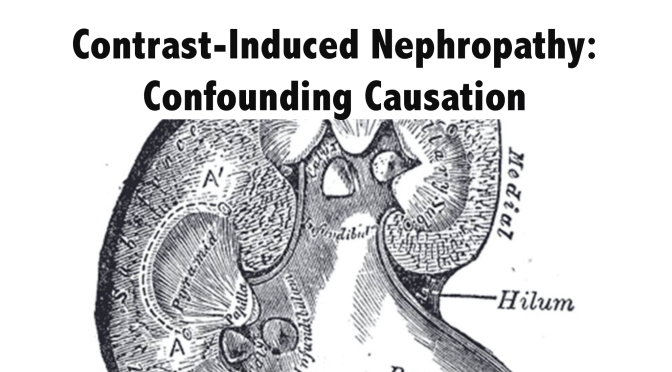
A great deal of controversy surrounds the association of IV contrast with acute renal injury. However, a recent study suggests this association is myth rather than fact. This post by Dr. Sinert evaluates this new study and the importance of confounders.
Contrast-Induced Nephropathy: Confounding Causation Read More »

Having difficulty determining whether or not your GI bleeder is stable for the floor? Read on as we discuss risk stratification tools and risk factors for severe GI bleeds.
GI Bleeds: Who Needs ICU Level Care? Read More »
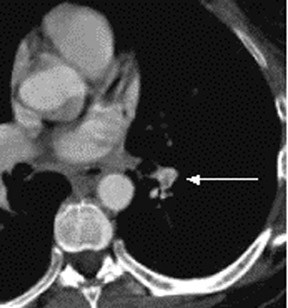
Pulmonary embolism (PE) is classically a life-threatening diagnosis, often considered in the work-up of patients with chest pain or dyspnea. Initial mortality rates of missed, untreated PE has been quoted as high as 26%, based on a 1960 study. This disease is common, with 400,000 patients affected with nonfatal PE and another 200,000 patients in the U.S. dying each year from this disease. PE is the third most common cause of death in cardiovascular disease after myocardial infarction and stroke.