In the Literature

Teaching the Modern EM Resident

Current EM residents, as part of the Millennial Generation (born between 1981 and the present), now see this new technology as a way of life, and feel the need to be connected online at all times.5,6 As a result, many EM residents have abandoned the traditional lecture hall and textbooks, and have taken to their electronic devices and the World Wide Web for obtaining information.

In order to continue providing quality education that meets the needs of the modern EM resident, the type and quality of educational resources that we deliver must also change.

So the question becomes: How do we use these new resources to guide the education of our current EM residents both on and off shift?

Teaching the Modern EM Resident Read More »

Endovascular Stroke Therapy: Is This the New Standard?

Every few years, we come to a crossroads that makes us reexamine our current clinical practice and consider a better intervention. For the past twenty years, patients presenting with acute ischemic stroke have had essentially one option for therapy: intravenous thrombolytics. Since the NINDS-2 trial in 1995 [1], tPA has erupted onto the scene of stroke management and has become the gold standard despite ongoing questions behind the true efficacy of tPA.

Endovascular Stroke Therapy: Is This the New Standard? Read More »

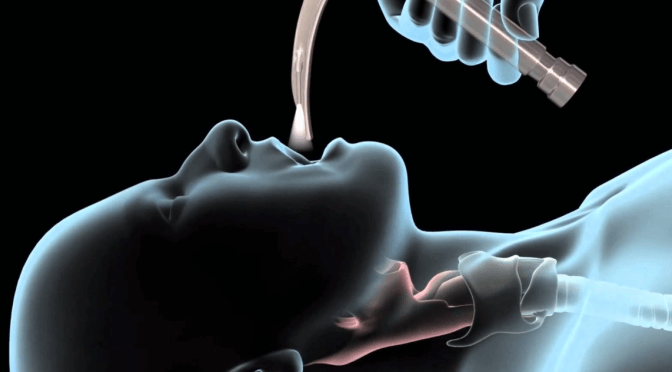
Management of the Trauma Patient’s Airway – Pearls and Pitfalls

Airway management is one of the most challenging and critical skills that the emergency medicine physician must master. This is particularly true in the setting of the trauma patient, where the ABCs of trauma evaluation begin with establishing the patency of the airway and ensuring adequate oxygenation and ventilation before moving through the remainder of the trauma algorithm. It is well known that delays in adequate airway management are one of the most common causes of preventable death in both the prehospital and emergency department setting.

Management of the Trauma Patient’s Airway – Pearls and Pitfalls Read More »

Outpatient Treatment of Pulmonary Embolism

A 64 year-old woman with past medical history of diabetes mellitus type 2 that is well-controlled on insulin, hypertension, and asthma presents with 1 week of shortness of breath and cough productive of blood-tinged sputum. The shortness of breath became suddenly worse about an hour ago as she was walking into your emergency department for evaluation and at that time she had symptoms of pre-syncope. She is denying chest pain, palpitations, diaphoresis, nausea, recent travel, or surgery. The patient takes both a beta-blocker and a calcium channel blocker to control her hypertension. She took all of her medications this morning prior to presentation. The patient has no personal history of cancer and there is no significant family history. She denies the use of tobacco, alcohol, or any other drugs.

Outpatient Treatment of Pulmonary Embolism Read More »

Vampire lip clear phone case with attitude, funny gift for friends, unique phone cover, halloween gift, bittersweet style. Auto accident law. Sample page – service zuhause.