FOAMED

Alcohol Withdrawal: Pearls and Pitfalls

Alcohol use is extremely widespread throughout developed countries. It is estimated that 8 million people in the US are alcohol dependent. Approximately 20% of men and 10% of women will at some point in their lives have an alcohol-use disorder. About half of people with alcohol-use disorders will have symptoms of withdrawal when they cut down or stop their alcohol consumption. Extreme complications, including seizures and/or delirium tremens, will occur in 3-5% of these people.

Alcohol Withdrawal: Pearls and Pitfalls Read More »

One Physician’s Advice to the New Grad

To the Class of 2016 – Congratulations!! You’ve made it. After at least 11 years of post-high school education, you have finally reached that proverbial finish line and are ready to transition from resident to attending. What I would like to share with you is some advice about what life is like on the other side. Now that you have finished residency, it’s safe to say that you know the medicine really well. But, I have come to find that your learning about life as a professional is just beginning.

One Physician’s Advice to the New Grad Read More »

Reflections on Leadership and Resilience in Emergency Medicine

Who are the people you consider the biggest leaders and influencers of change in our profession? What traits do they have that seem to make them a natural for their role? How did they get there? Perhaps even better questions to ask – what makes some people more engaged in their job? Why do some people bounce back from the stress of our jobs better than others do? Are there common traits that overlap leadership and resilience?

Reflections on Leadership and Resilience in Emergency Medicine Read More »

Cognitive Load and the Emergency Physician

You may not know what cognitive load is, but if you work in an Emergency Department (ED) you are probably carrying a ton of it. Cognitive load refers to the total amount of mental effort burdening your working memory at any given time. Working in an ED can involve extremely high cognitive load, and learning to understand and manage it can make you more efficient and less stressed on shift. In the field of ED management, the ED bed is often described as the ‘Million Dollar resource’. If that is true, then the cognitive machinery of the Emergency Physician has to be the ‘Billion Dollar resource’.

Cognitive Load and the Emergency Physician Read More »

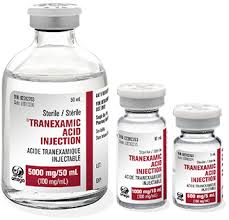
ED CRASH Course: TXA MATTERS!

Your shift starts and all of your patients are bleeding! There is an MVC victim with a tense abdomen and traumatic brain injury, a patient with an upper GI bleed, a woman whose spontaneous vaginal delivery has turned into a post-partum hemorrhage, and a brisk epistaxis in the back hallway. You thank the triage nurse and begin resuscitative measures. What role does tranexamic acid (TXA) play in the treatment of these patients?

ED CRASH Course: TXA MATTERS! Read More »

Updates on Recommendations for STI Treatments & Empiric Therapy: When to Treat and What to Treat Depending on your Patient

It is essential for Emergency Physicians to know the standard of care for sexually transmitted infection (STI) treatments, as patients often present to Emergency Departments for evaluation and treatment shortly after exposure to these diseases. The Emergency Department provides patients with rapid screening, diagnosis, treatment regimens, and access to outpatient follow up.

Updates on Recommendations for STI Treatments & Empiric Therapy: When to Treat and What to Treat Depending on your Patient Read More »

The Multiple Layers of Diagnostic Uncertainty

The young female with lower abdominal pain. The middle-aged male with atypical chest pain. The elderly female that presents with vague symptoms of dizziness. These are just the tip of the iceberg of chief complaints we will see in our emergency medicine careers. Those with symptoms that don’t fit into a particular diagnostic box or with totally clean workups can be frustrating for patients and physicians alike. We are taught in medical school that 90% of diagnoses can be made with a very meticulous history and physical. But, until I was asked to write on the topic of diagnostic uncertainty, I had never really thought about how infrequently we actually make a slam dunk, no doubt about it diagnosis.

The Multiple Layers of Diagnostic Uncertainty Read More »

overcoming loneliness : the dangers of loneliness. Use day neutral or everbearing varieties for consistent indoor fruiting. In home kitchen design.