endocrinology

EM@3AM: Hypoglycemia

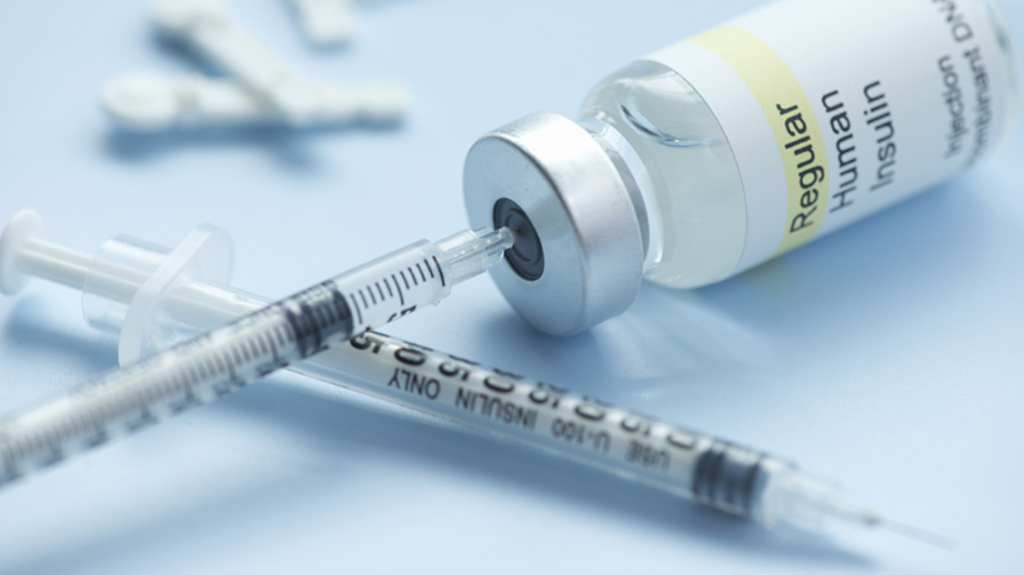
A 27-year-old female with a history of insulin-dependent diabetes presents to the ED on a Friday evening somnolent and disoriented. Her coworkers report she started slurring her speech and became increasingly altered after they met at a bar after work.  Exam reveals a diaphoretic, obtunded female not oriented to person, place, or time. Her GCS is 11. What do you suspect as the diagnosis? What should your first order be?

EM@3AM: Hypoglycemia Read More »

EM@3AM: Diabetic Ketoacidosis

A 37-year-old female presents with dysuria, polyuria, polydipsia, and lightheadedness. She has a history of insulin-dependent diabetes but ran out of her glucose strips at home. She has had significant nausea and suprapubic pain. She is tachycardic and tachypneic. Exam reveals dry oral mucosa and suprapubic tenderness. POC glucose is 422 mg/dL. What is the diagnosis, and what are your next steps?

EM@3AM: Diabetic Ketoacidosis Read More »

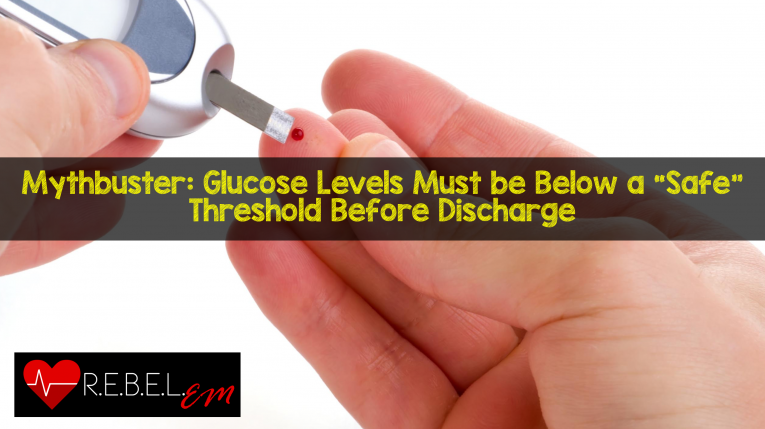
R.E.B.E.L. EM – Mythbuster: Glucose Levels Must be Below a “Safe” Threshold Before Discharge

Anyone who works in the Emergency Department has seen patients brought in by EMS or sent from the clinic with a chief complaint of “high blood sugar.” Now, we are not talking about patients with diabetic ketoacidosis, but just simple hyperglycemia. This is a common complaint with no real consensus on optimal blood glucose levels before safe discharge.

R.E.B.E.L. EM – Mythbuster: Glucose Levels Must be Below a “Safe” Threshold Before Discharge Read More »

Trade – sensational bathrooms. Selecting an ideal spot for your home office is the first and most crucial step. This privacy policy governs the manner in which aheracles collects, uses, maintains, and discloses.