
The EM Educator Series: He’s coughing or throwing up blood…
This week’s EM Educator brings you hemoptysis.
The EM Educator Series: He’s coughing or throwing up blood… Read More »

This week’s EM Educator brings you hemoptysis.
The EM Educator Series: He’s coughing or throwing up blood… Read More »
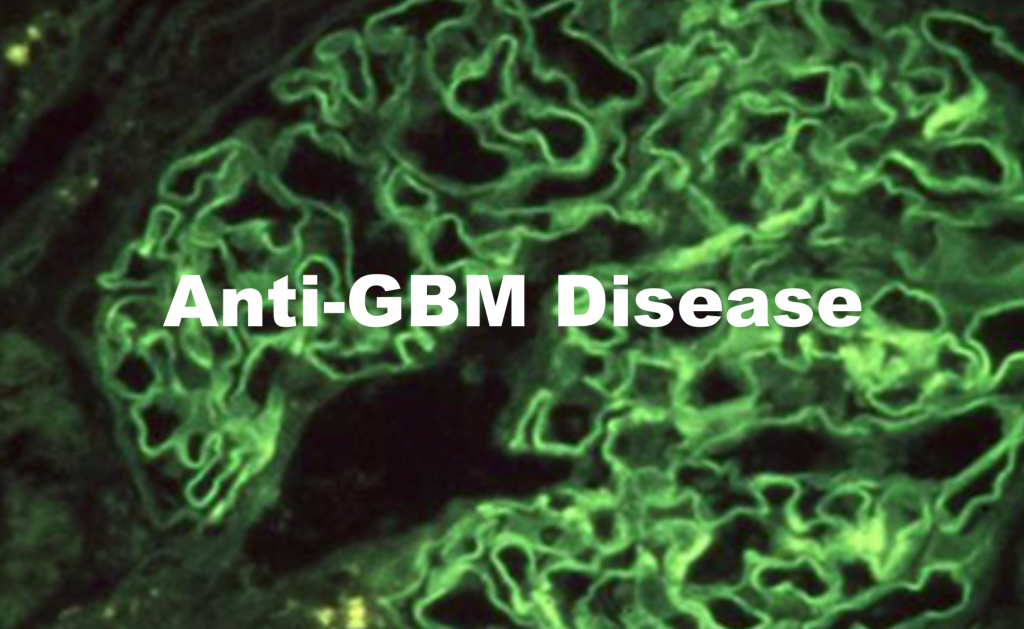
The patient with renal injury and respiratory symptoms… Could it be anti-GBM disease? This post looks at this condition and when you should consider it.
Goodpasture’s syndrome (anti-GBM disease): ED presentations, evaluation, and management Read More »

A 65F presents to your ED with chest pain and shortness of breath. Her symptoms have been going on for several months and have been progressively worsening. She states that she has felt this way since she was diagnosed with a “blood clot in her lungs” several months ago. VS include T 37.5C, HR 103, RR 22, Pox 89% on RA. What should you consider, and what’s your next step in evaluation and treatment?
EM@3AM: Pulmonary Hypertension Read More »
Tachypnea is defined as rapid breathing noted on clinical presentation. This finding can signify the presence of a dangerous condition, and this post evaluates the etiologies, evaluation, and management of the tachypneic patient in the ED. Are you missing something with tachypnea in the ED?
Approach to Tachypnea in the ED Setting Read More »

Hemoptysis is defined as expectoration of blood originating from the tracheobronchial tree or lung parenchyma. It may be massive or non-massive, but the majority of patients with hemoptysis will have non-massive hemoptysis. This is a brief overview of the causes, evaluation and management of hemoptysis in the emergency department.
Hemoptysis: Key principles and management Read More »

Cystic fibrosis (CF) is a relatively rare disease but may present to the emergency department with severe complications including intestinal and pulmonary complications. This is a brief review of CF and the management of a few complications that can be associated with CF.
Cystic Fibrosis: ED Management, Pearls and Pitfalls Read More »
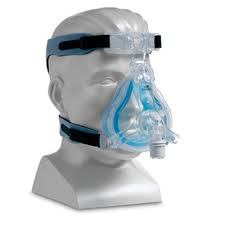
Bi-level ventilation is commonly used in patients with respiratory failure in the emergency department. This is a brief review of the indications for bi-level ventilation as well as a review of the complications of this popular ventilation/oxygenation method.
Bi-level Ventilation: Who Needs it and Who Doesn’t? Pearls and Pitfalls Read More »
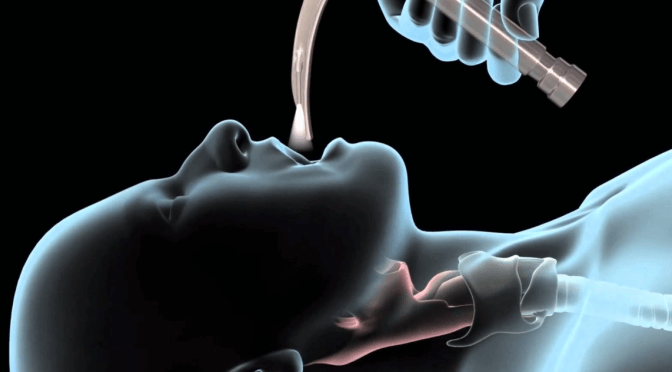
We are masters of the airway, often managing life-threatening scenarios and conditions. However, the patient who decompensates around the time of intubation, or directly after the procedure, can be frightening. What can you do to mimize these events?
Post-Intubation Complications in ED Setting Read More »
DAH is a medical emergency characterized by bleeding of pulmonary microvasculature into the alveoli. Symptoms are non-specific and clinicians should keep a high clinical suspicion for the disorder. Protecting the airway takes precedence. Immunosuppressive medications are the mainstay of medical therapy.
Diffuse Alveolar Hemorrhage in the ED: Pearls & Pitfalls Read More »
Pneumonia is an illness frequently seen in our emergency departments. But, are all presentations actually pneumonia? Are we missing other illnesses that present similarly to pneumonia? Which ones pose significant morbidity and mortality risk to our patients? What clues are out there that will aid us in making an alternative and critical diagnosis?
Pneumonia Mimics: Pearls and Pitfalls Read More »