Epinephrine for SHOCK
Unfortunately, some children in SEPTIC shock will be refractory to your initial therapies, and another question will be encountered: Which pressor should we start: Epinephrine or Dopamine?
Epinephrine for SHOCK Read More »

Unfortunately, some children in SEPTIC shock will be refractory to your initial therapies, and another question will be encountered: Which pressor should we start: Epinephrine or Dopamine?
Epinephrine for SHOCK Read More »

Do we recognize shock early enough?
How do we prioritize our interventions?
Are we making our patient better or worse?
PEM Playbook – Approach to Shock Read More »

Sepsis is a common disease, but sometimes, we need some assistance with the diagnosis and resuscitation of these patients. Can biomarkers help us, or are we wasting time using these measures? What’s wrong with just the time-honored history and exam?
Sepsis Biomarkers: What’s New? Read More »

The CMS guidelines for sepsis…What are the measures you need to meet, and are they supported by the literature?

“The RUSH exam provides a framework for approaching the non-traumatic patient in the emergency department presenting with undifferentiated hypotension”
Olabiyi Akala, MD summarizes this set of ultrasound techniques that can help you rapidly determine the etiology of shock in a crashing patient.
RUSH ("Rapid Ultrasound for Shock") Protocol Read More »
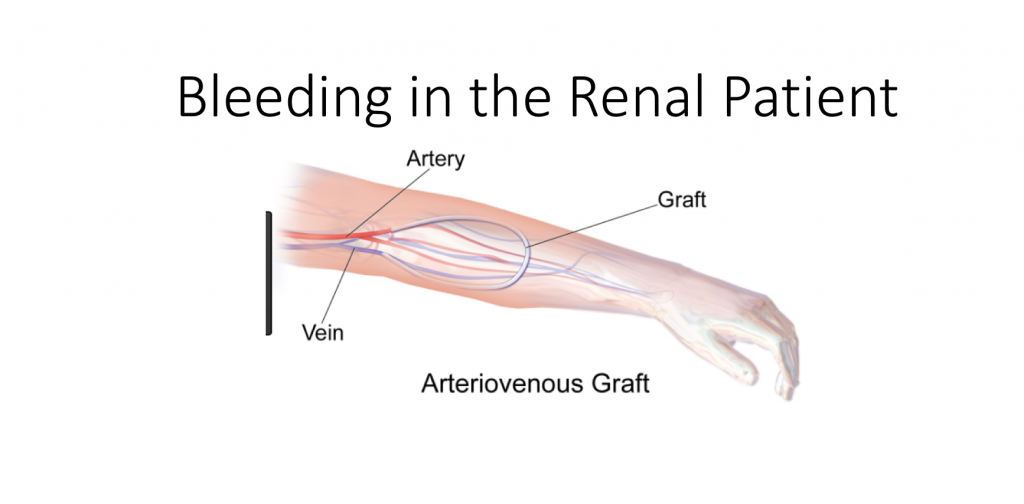
“Within the next decade, the incidence of CKD is expected to nearly double”
In this article, Matt Smetana, DO describes the common manifestations of hemorrhage in uremic patients, and then outlines strategies to stop the bleeding.
Bleeding in the Patient with Renal Failure Read More »

“Two independent variables associated with post-ETI arrest: Pre-induction shock index and weight”
Intubating beyond the ABCs: Learn how to support your crashing patient while providing definitive airway management. Zach Radwine, MD covers identification of patients at risk for hypotension, dealing with hemodynamic instability, and how to address the numerous complications that may arise.
Intubating the Critically Ill Patient Read More »
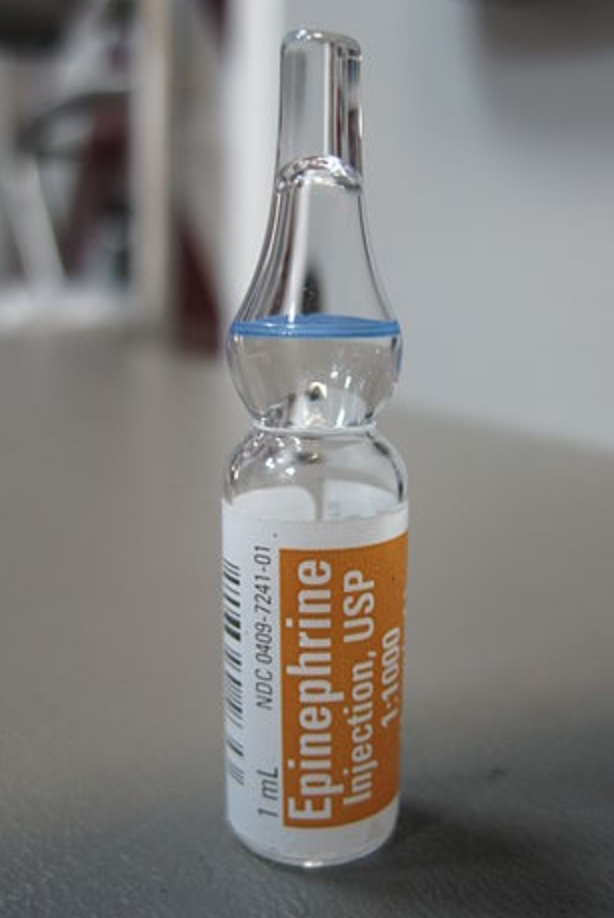
“Despite the multitude of studies, the excellent results, and the commonplace use by anesthesiologists for decades, the use of push-dose pressors has not yet made its way into standard emergency medicine practice”
For a patient in shock, or with anticipated instability during procedural sedation, push-dose pressors can be a lifesaver. Brendon Browning, DO covers administration of pressors under circumstances in which central lines and infusions either aren’t available or aren’t needed.
Push-Dose Pressors Read More »