
Low Risk for Intra Abdominal Trauma
Is there a way to help define a group of kids who are at Low Risk for Intra Abdominal Trauma?
Low Risk for Intra Abdominal Trauma Read More »

Is there a way to help define a group of kids who are at Low Risk for Intra Abdominal Trauma?
Low Risk for Intra Abdominal Trauma Read More »
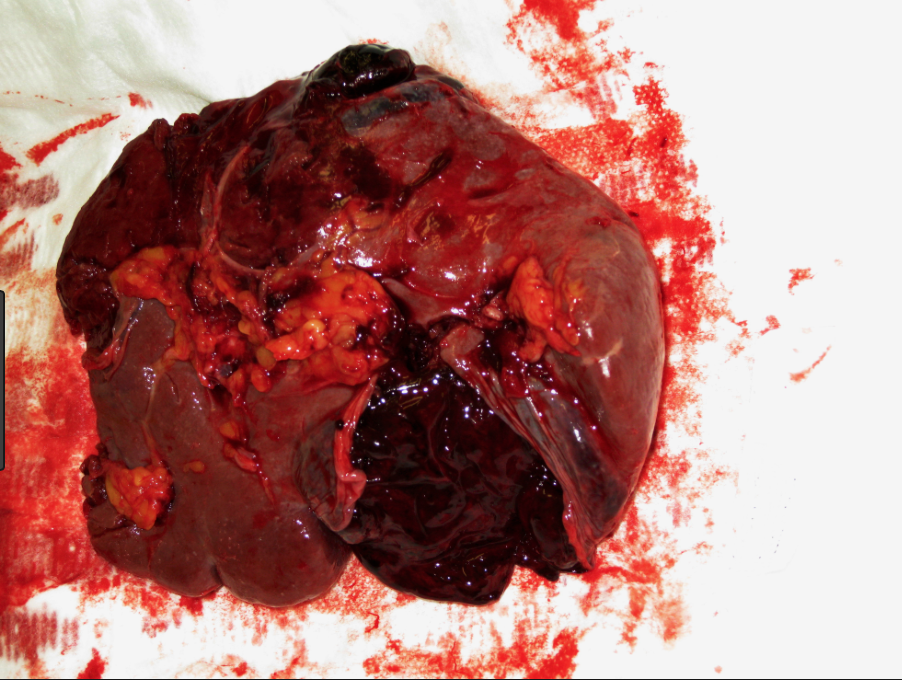
A power review of the literature on management of blunt and penetrating abdominal trauma
Abdominal Trauma: Is There Anything We Can Be Doing Better? Read More »
While on shift at a busy urban emergency department, you are notified by EMS dispatch of an ambulance en-route with a patient involved in a high-speed MVC. They report she is a female, in her 20s or 30s, who is obviously gravid, but of unknown gestational age. According to EMS vital signs are: HR 104, RR 25, BP 104/54, and SpO2 98% on room air. They are requesting activation of your trauma team.
Resuscitation of the Pregnant Trauma Patient – Pearls and Pitfalls Read More »
The neck is a particularly tricky area of assessment and management in the trauma patient, as it is the location for many vital structures. Concern for vascular, neurologic, digestive tract, and airway injury are of paramount importance in the evaluation of these patients, as all can be life-threatening. Oftentimes, the neck trauma patient may appear stable, only to have delayed injury found later, causing increased morbidity and mortality. Neck trauma can be split into penetrating injury and blunt injury. […]
Neck Trauma: A Practice Update Read More »
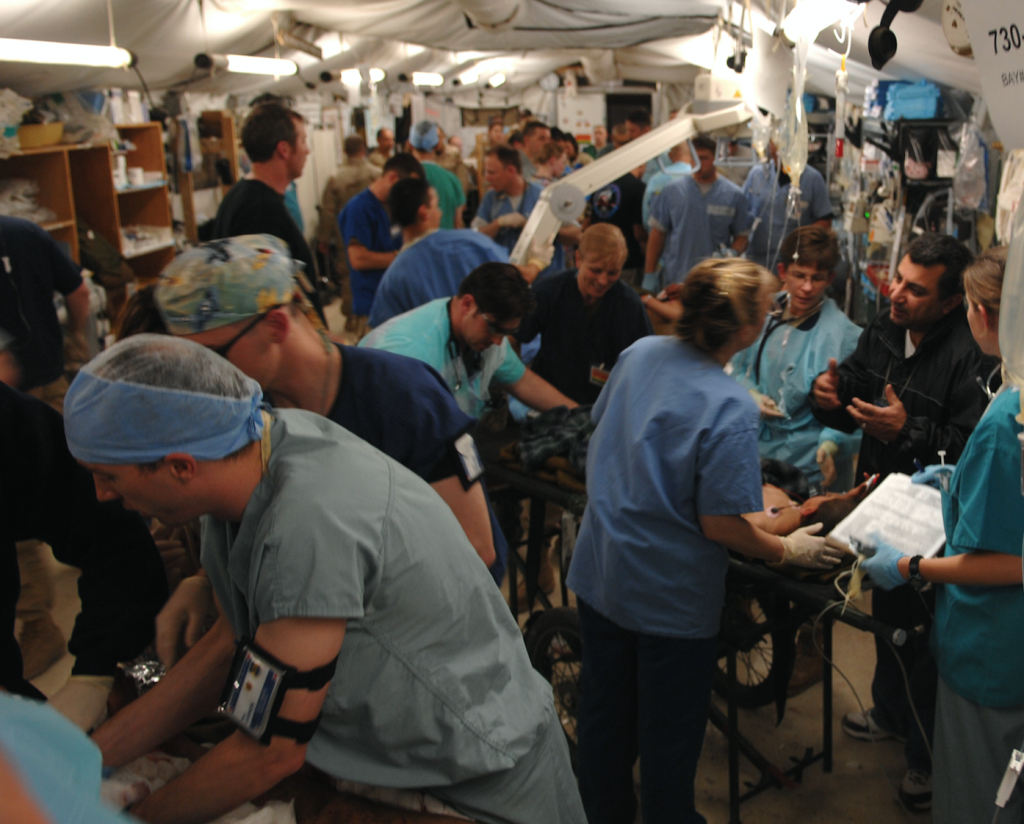
Included below is a summary of numerous blog posts and podcasts that discuss the sometimes controversial issue of permissive hypotension or minimum volume resuscitation in the bleeding trauma patient.
Disclaimer: These are highlights as interpreted by the author of this article and should not replace listening to the original podcast or reviewing the background research. Posts are in chronological order and many of the below podcasts go beyond the scope of permissive hypotension. […]
A #FOAMed Roadmap to Permissive Hypotension Read More »
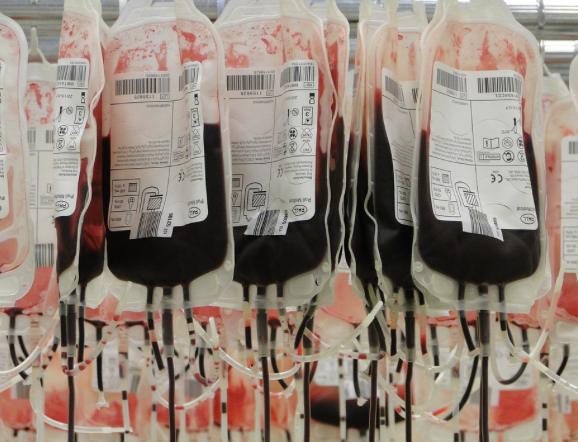
“There has been ongoing controversy regarding the ratio of components that should be given during massive transfusion”
How do you avoid inducing a coagulopathy in trauma patients requiring massive blood transfusion? Zach Radwine, MD summarizes the recent evidence for the 1:1:1 ratio.
Massive Blood Transfusion Read More »

“The clinical picture is a mix of ARDS and air embolism”
Zara Mathews, MD covers the subject of blast injuries, including a review of the basics, important updates in the workup of these patients (for example, tympanic membrane rupture is not a great predictor of injury), and common pitfalls in management.