practice updates

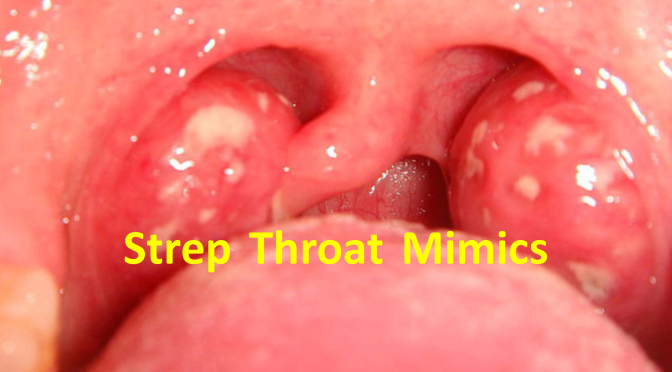
Strep Throat Mimics: Pearls & Pitfalls

Pharyngitis accounts for a large number of Emergency Department and Urgent Care visits each year. The majority of cases are due to a viral etiology, and Group A Beta-hemolytic streptococcus accounts for 15% to 30% of cases. However, a wide array of diseases may present similarly, with several of these potentially life-threatening. This post looks at these mimics and more.

Strep Throat Mimics: Pearls & Pitfalls Read More »

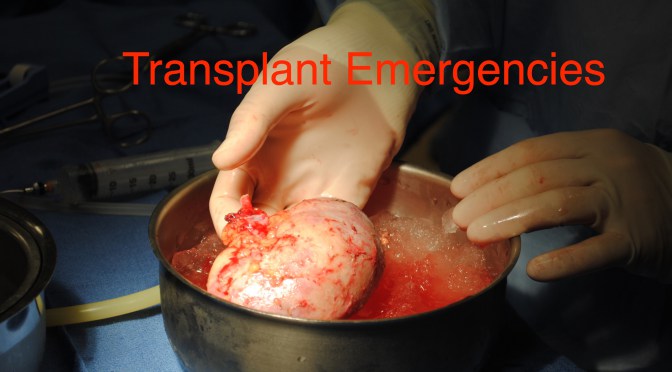
Transplant Emergencies Part I: Infection, Rejection, and Medication Effects

Organ transplantation is becoming increasingly common. These patients present a challenge to emergency physicians as they are on immunosuppressive medications and have anatomic and physiologic variations. Transplant patients are at risk for a number of complications including infection, medication effects, rejection and complications specific to the transplanted organ.

Transplant Emergencies Part I: Infection, Rejection, and Medication Effects Read More »

Septic Arthritis

We have discussed several entities that may lead to a child limping. We have covered osteomyelitis, plantar punctures, and toddler’s fractures. We have also touched upon Osgood Schlatter’s Disease, SCFE, osteosarcoma and even Growing Pains. Now let us review a topic that always crosses our minds when considering the painful extremity: Septic Arthritis.

Septic Arthritis Read More »

DIC in the ED: What can you do about it?

Disseminated Intravascular Coagulation (DIC) is a serious complication of some critical illnesses. Patients are very ill and can present with a multitude of symptoms. While treatment of the underlying illness is key, there are some key interventions that can be initiated in the emergency department (ED). This is a brief review of the the underlying pathophysiology of DIC and the interventions that can be initiated in the ED.

DIC in the ED: What can you do about it? Read More »

Hemolytic Anemias: Rare but Important Diagnosis in the Emergency Department

Hemolytic anemia is the premature destruction of RBCs, which can be classified as extrinsic or intrinsic, as well as acute or chronic. In particular, several conditions associated with these anemias can cause significant morbidity and mortality. The ED provider must focus on resuscitation, followed by recognition of the hemolytic process and initiation of appropriate therapy. This post will highlight an approach to evaluation and management of hemolytic anemias.

Hemolytic Anemias: Rare but Important Diagnosis in the Emergency Department Read More »

The Bleeding Pregnant Patient in the Third Trimester: Pearls and Pitfalls

Third trimester pregnant patients are not seen commonly in the emergency department, but when they are, they have the potential for severe complications such as hemorrhagic shock. This article reviews the most serious causes of bleeding in the third trimester of pregnancy and also discusses management options.

The Bleeding Pregnant Patient in the Third Trimester: Pearls and Pitfalls Read More »

Buy hyde edge flavors ranked archives crave vapes. Each of our advertising partners has their own privacy policy for their policies on user data. wellness travel design.