practice updates

Unstable Sepsis: Airway First? Not Always

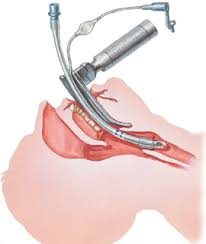
Intubation, especially in the septic and critically ill patient, can, by itself, cause hemodynamic abnormalities and/or hypoxemia and hypercapnea. In some situations, it may be important to make sure that the patient is adequately prepared for intubation, both from hemodynamic and pre-oxygenation standpoints. This is a brief review of some suggestions when intubating the very ill patient in the emergency department.

Unstable Sepsis: Airway First? Not Always Read More »

Controversies in Pulmonary Embolism Imaging and Treatment of Subsegmental Thromboembolic Disease

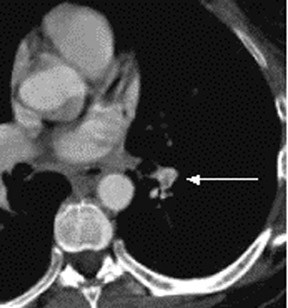
Pulmonary embolism (PE) is classically a life-threatening diagnosis, often considered in the work-up of patients with chest pain or dyspnea. Initial mortality rates of missed, untreated PE has been quoted as high as 26%, based on a 1960 study. This disease is common, with 400,000 patients affected with nonfatal PE and another 200,000 patients in the U.S. dying each year from this disease. PE is the third most common cause of death in cardiovascular disease after myocardial infarction and stroke.

Controversies in Pulmonary Embolism Imaging and Treatment of Subsegmental Thromboembolic Disease Read More »

Penetrating Trauma: What We Miss and How We Can Improve

The patient with penetrating trauma can present with many different injuries. The majority of injuries are easily diagnosed. What about the patient with pneumothorax, diaphragmatic injury, ureteral injury, and hollow viscus injury? These are not so easy to diagnose, and delay in management can cause significant morbidity and mortality. This post provides pearls and pitfalls for these conditions.

Penetrating Trauma: What We Miss and How We Can Improve Read More »

Three fresh and engaging product articles for crave vapes. Chatgpt blog chatgpt image generator | free chat gpt ai image too;s. A smart wellness home for an older adult should feel effortless — not like a tech showroom.