Mastoiditis
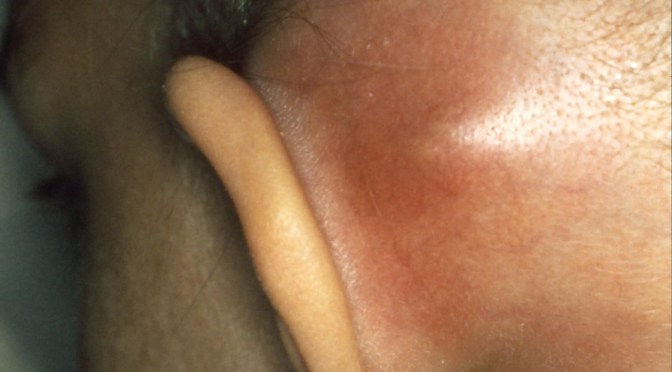
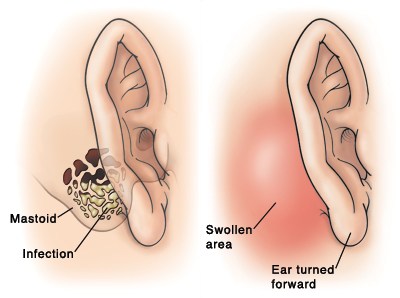
Acute Mastoiditis is the most common complication of AOM – how do you diagnose it and how does the ENT physician manage it?
You have all of the skills you need to care for an acutely ill infant. Learn a few pearls to make this a smoother endeavor.
PEM Playbook – The Undifferentiated Sick Infant Read More »
Dr. Andrew Arcand & Dr. Laura Tate discuss the key clinical pearls and pitfalls in the recognition and management of many apparently benign hand emergencies that have serious morbidity, including high pressure injection injury, flexor tenosynovitis, gamekeeper’s thumb (or skier’s thumb), fight bites, hook of the hamate fractures and many more important hand emergencies. Dr. Tate & Arcand answer such questions as: which lacerations require prophylactic antibiotics? Which hand lacerations do not require sutures? How is rotational deformity best tested for metacarpal fractures? What are the pearls of tendon repair? How do you test for instability when you suspect a Gamekeeper’s thumb? How is compartment syndrome of the hand different to compartment syndrome in the leg? What are Kanavel’s signs of tenosynovitis? How should felons be managed in the ED? What are the most common errors that plastic surgeons see ED docs make?
EM Cases: Hand Emergencies Read More »
Hand and digital wound bleeding should be managed with hemorrhage control, an adequate exam and proper treatment. There are many tools to help manage bleeding and allow for an adequate exam. Using a topical analgesic such as lidocaine, can be helpful with pain control. The addition of epinephrine to a topical analgesic in hand and digital wounds may not be as scary as once thought and may be considered to help with hemorrhage control in certain wounds.
Bleeding Hand Wounds Read More »
Acute mastoiditis is a common complication of acute otitis media. Diagnosis includes clinical evidence of mastoid inflammation and may necessitate further imaging to exclude other complications. IV antibiotics and a surgical consult are required.
Acute Mastoiditis: Pearls and Pitfalls Read More »
Your shift starts and all of your patients are bleeding! There is an MVC victim with a tense abdomen and traumatic brain injury, a patient with an upper GI bleed, a woman whose spontaneous vaginal delivery has turned into a post-partum hemorrhage, and a brisk epistaxis in the back hallway. You thank the triage nurse and begin resuscitative measures. What role does tranexamic acid (TXA) play in the treatment of these patients?
ED CRASH Course: TXA MATTERS! Read More »
Naturally, we have all been taught to think “outside the box” and know to consider conditions outside the abdominal cavity.. When we are thinking outside of the box, make sure we keep Ovarian Torsion on our DDx list for the young girls.
We’ve all heard the horror stories of the crashing aortic stenosis patient. These patients present significant challenges in the ED. How can you best manage these patients?
Management of the Crashing Aortic Stenosis Patient Read More »
Thoughts on mistakes in renal colic from one of the father’s of Emergency Medicine
EM Decision Making: Thoughts on Mistakes in Renal Colic Read More »
Weakness is a challenging chief complaint. Always consider the common etiologies such as urinary tract infections. However, debilitating spinal cord pathology and other rare causes of weakness should be ruled out in otherwise negative work ups.
Undifferentiated Weakness: ED-Focused Approach and Management Read More »