EM Decision Making: Thoughts on Mistakes in Renal Colic
Thoughts on mistakes in renal colic from one of the father’s of Emergency Medicine
EM Decision Making: Thoughts on Mistakes in Renal Colic Read More »

Thoughts on mistakes in renal colic from one of the father’s of Emergency Medicine
EM Decision Making: Thoughts on Mistakes in Renal Colic Read More »

Weakness is a challenging chief complaint. Always consider the common etiologies such as urinary tract infections. However, debilitating spinal cord pathology and other rare causes of weakness should be ruled out in otherwise negative work ups.
Undifferentiated Weakness: ED-Focused Approach and Management Read More »

Lactate clearance has been a major focus in care of the septic patient. Why does lactate elevate in these patients, and what do you need to know for managing these patients?
Lactate in Sepsis: Pearls & Pitfalls Read More »
Intranasal medications, if understood and employed properly, are a great choice to avoid an IV or as a bridge until IV access is obtained.
Learn the strengths and limits of intranasal fentanyl, midazolam, ketamine, and dexmedetomidine.
PEM Playbook – Intranasal Medications and You Read More »

It is essential for Emergency Physicians to know the standard of care for sexually transmitted infection (STI) treatments, as patients often present to Emergency Departments for evaluation and treatment shortly after exposure to these diseases. The Emergency Department provides patients with rapid screening, diagnosis, treatment regimens, and access to outpatient follow up.

The role of palliative medicine in emergency care has received increasing attention since ACEP’s decision in February of 2013 to join the American Board of Internal Medicine (ABIM) Foundation’s Choosing Wisely ® initiative. In an effort to maintain (and potentially improve) quality of care while reducing costs, ACEP identified discussions regarding hospice and palliative medicine (HPM) as one of ten opportunities for ED providers and their patients to eliminate low-yield and possibly harmful testing and treatments. The explicit directive is “Don’t delay engaging available palliative and hospice care services in the emergency department for patients likely to benefit.” Of note, EM residency trained physicians are eligible to complete many HPM fellowships and may subsequently obtain HPM board certification. However, gaining such a high-level of expertise is not necessary. The following discussion addresses how simple, fundamental skills in HPM can significantly enhance your practice in emergency medicine.
Palliative Care in the Emergency Department: A Practical Overview of Why and How Read More »

Remaining vigilant for the child with a subtle presentation of a severe illness is part of our job in the Ped ED; however, sometimes, the illness is not subtle and the child requires critical actions (ex, Damage Control Resuscitation, Mechanical Ventilation, Optimize Chest Compressions) . Often, it is best to consider these critical actions prior to needing to do them so there is no delay. One such, potentially life-saving, critical action is Extracorporeal Membrane Oxygenation (ECMO). Recently there was a nice review of Pediatric ECMO [Gehrmann, 2015] that deserves further contemplation. Below are some highlights from that article:
ECMO in the Ped ED Read More »
The second post in the new EM Primer Series…Ranging from benign to life-threatening etiologies, what are the pearls you need to know for hemoptysis?
Hemoptysis: An EM primer Read More »
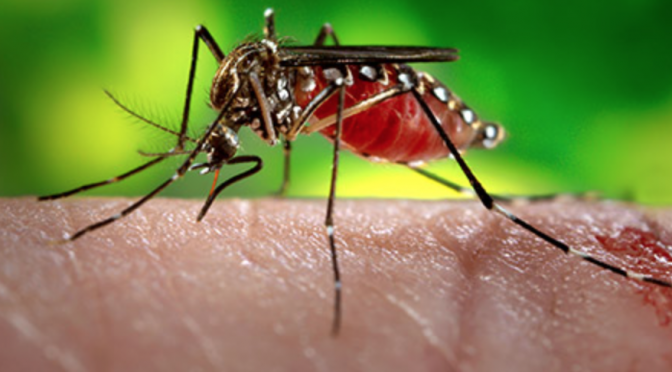
We have dealt with Ebola, Dengue, and Chikungunya. Introducing the new kid on the block: Zika Virus.
Zika Virus: What do you need to know? Read More »
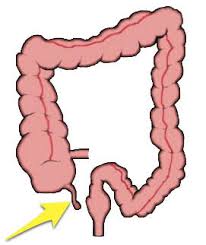
There is no individual sign or symptom that can reliably exclude appendicitis in any patient. Appendicitis should be considered one diagnosis among a large differential. Concerning cases with a negative CT should be considered for admission. Radiation should be limited in children. Treatment may include antibiotics along with surgery.
Appendicitis: Pearls and Pitfalls in Adult and Pediatric Populations Read More »