Cardiology

Chest Pain Controversies: Coronary CTA Use (Part 2)

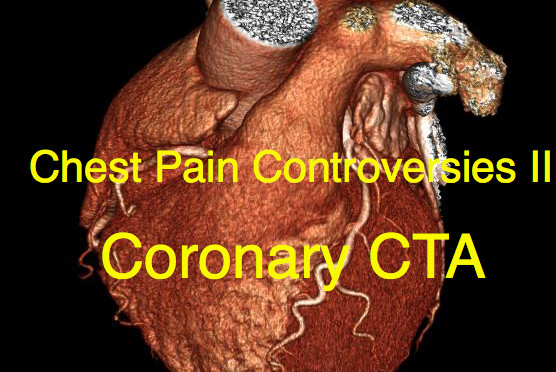
Coronary CTA has risen to the forefront of chest pain evaluation, providing an anatomical evaluation of coronary artery vasculature. When negative, it improves negative predictive value of ACS. Additionally, CCTA allows for a better means to diagnose CAD when compared to history, physical exam, ECG, and biomarkers. But, is CCTA useful to further risk stratify low-risk patients? Who might benefit from CCTA and what are the risks?

Chest Pain Controversies: Coronary CTA Use (Part 2) Read More »

Chest Pain Controversies: Risk Stratification and Stress Test Utility (Part 1)

Chest pain accounts for approximately 8-10 million healthcare visits in the U.S. per year and can be associated with a variety of benign to life-threatening diseases. Acute coronary syndrome is one of the major considerations in the ED. Approximately 20% of lawsuits are due to misdiagnosis and mismanagement of ACS and a large percentage of patients are admitted due to this risk. However, few admitted patients go on to be diagnosed with ACS. Although commonly used to help risk stratify patients in the ED, there is no evidence that stress testing decreases risk of future cardiac events. This post will examine chest pain risk stratification in the ED and the utility of stress testing.

Chest Pain Controversies: Risk Stratification and Stress Test Utility (Part 1) Read More »

R.E.B.E.L. EM – Management and Disposition of Low Risk Chest Pain

Chest Pain (CP) is a very common complaint seen in emergency departments around the world. In the US specifically anywhere from 8 – 10 million patients present to the ED complaining of CP. Many use liberal testing strategies to prevent missing acute coronary syndrome (ACS) or other major adverse cardiac events (MACE), but this is not without increase in healthcare cost and false positive testing leading to more downstream testing.

R.E.B.E.L. EM – Management and Disposition of Low Risk Chest Pain Read More »

The Young Cardiac Arrest Patient

Managing the patient in cardiac arrest is both frightening and exhilarating. The majority of arrests in older patients is due to CAD. The young cardiac arrest patient presents a difficult situation for the emergency provider. In general, younger patients are healthier than their geriatric counterparts. There are differences in physiology which may contribute to different prognosis and care. This post reviews the literature behind cardiac arrest in the younger patient.

The Young Cardiac Arrest Patient Read More »

BNP Level in the Emergency Department: Does it Change Management?

BNP (Brain Natriuretic Peptide) is a commonly used biomarker for detecting heart failure in the emergency department. It’s levels can be affected by various extraneous factors such as obesity and renal failure. This article reviews the potential uses of BNP, including its pros and cons, in the emergency department.

BNP Level in the Emergency Department: Does it Change Management? Read More »