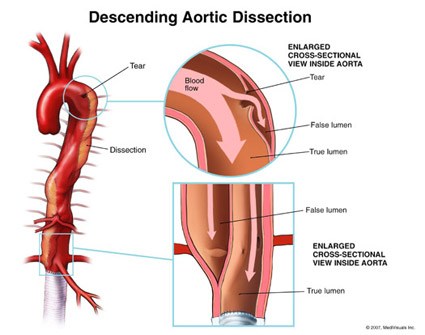
CORE EM: Aortic Dissection
Aortic dissection may occur in any location along the aorta and therefore the range of presentations is broad. Many AD patients do not fit the textbook presentation.
CORE EM: Aortic Dissection Read More »

Aortic dissection may occur in any location along the aorta and therefore the range of presentations is broad. Many AD patients do not fit the textbook presentation.
CORE EM: Aortic Dissection Read More »

This review article focuses on 5 under recognized high-risk ECG patterns in the ACS patient that result in poor outcomes including malignant dysrhythmias, higher rates of cardiogenic shock, and death.
R.E.B.E.L. EM – Five ECG Patterns You Must Know Read More »

Complementing the recent atrial fibrillation post this week, dive into more pearls of atrial fibrillation management in the ED by our own Dr. Jennifer Robertson
More Atrial Fibrillation Management Pearls in the ED Read More »

A post filled with management pearls for atrial fibrillation. What are potential etiologies? What medications should you use, when should you use them, and what are potential problems with these medications? What about anticoagulation?
Management of Atrial Fibrillation: Do’s and Don’ts Read More »
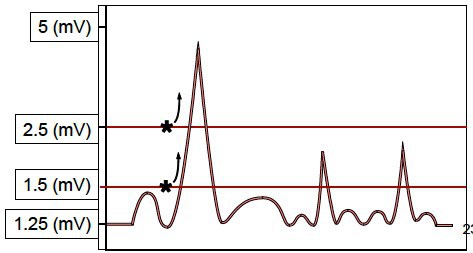
Third degree, or complete, heart block indicates complete dissociation between the atria and the ventricles. It is a cardiac emergency that has numerous causes including primary cardiac, electrolyte and medication toxicity. It needs to be managed with emergent pacing, either trancutaneous or transvenous. This article describes complete heart block and its management.

We’ve all heard the horror stories of the crashing aortic stenosis patient. These patients present significant challenges in the ED. How can you best manage these patients?
Management of the Crashing Aortic Stenosis Patient Read More »

Welcome to the third blog post in a series on subtle ECG findings in ACS. This post about mimics: benign early repolarization (BER) and the anterior STEMI. Each of these can mimic the other. The problem is that one of these diagnoses is deadly and the other is a normal variant.
Subtle ECG Findings in ACS: Part III Benign Early Repolarization vs. Anterior STEMI Read More »
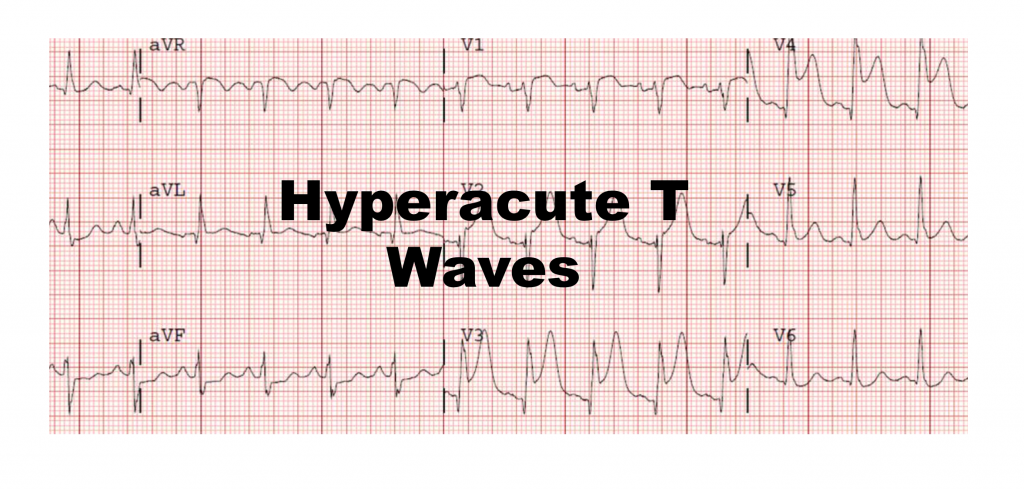
What if you could identify a patient with complete coronary vessel occlusion almost immediately after it occurs, before the ST segments begin to elevate? What if you could pick up the very subtle, early MI? We know that early recognition and intervention improves outcomes in patients with coronary artery occlusion. Sometimes patients presenting with ACS are obvious. Sometimes it seems that the patient has read the textbook. However, more often than not, patients are not obvious, especially in the early stages of ACS. That is why we are concerning ourselves with subtlety.
Subtle ECG findings in ACS: Part II Hyperacute T-Waves Read More »
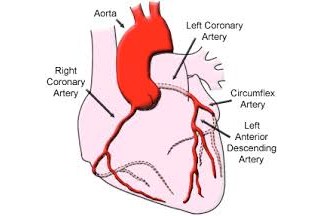
When it comes to ACS, some ECGs are obvious. This article is not about those ECGs. This article will be the first in a series of blog posts related to subtle ECG findings in ACS. In this post we will look at ECG findings associated with left main coronary artery disease and explore the significance of ST-segment elevation in the “forgotten lead”.
Subtle ECG Findings in ACS: Part I Left Main Coronary Artery Disease Read More »

Abnormal vital signs are poor predictors of mortality associated with pulmonary embolism (PE). Diagnosis of PE and right ventricular (RV) strain with transthoracic echocardiography (TTE) however, has been well documented as a predictor for pending shock and significant in-hospital mortality.
R.E.B.E.L. EM – Diagnosis of RV Strain with TTE Read More »