The Approach to the Poisoned Patient
A focused update on poisonings, toxicologic emergencies, and toxidromes with pearls, pitfalls, and myths. What can the emergency physician miss?
The Approach to the Poisoned Patient Read More »
A focused update on poisonings, toxicologic emergencies, and toxidromes with pearls, pitfalls, and myths. What can the emergency physician miss?
The Approach to the Poisoned Patient Read More »
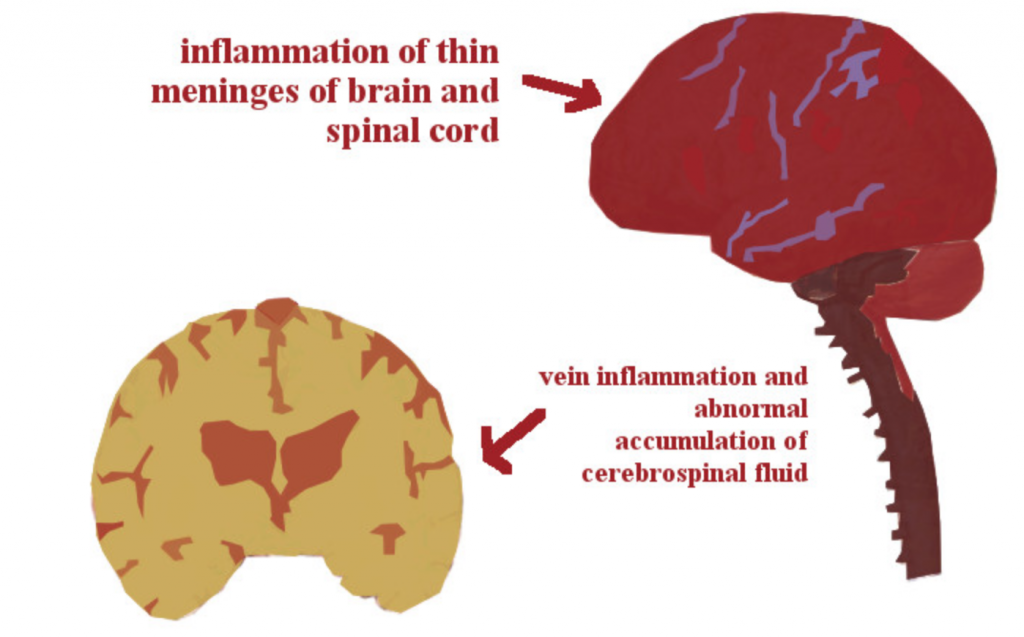
A few of the questions in your mind should at least be: what is most likely to kill this patient, do I need to get a CT of the head, does he need a lumbar puncture, does he need any urgent medications, and what labs should I order?
Meningitis: Clinical Pearls and Pitfalls Read More »
Continuous quantitative waveform capnography, also known as end-tidal carbon dioxide, PetCO2, or ETCO2, is a measurement of the partial pressure of CO2 in the exhaled breath. This technology has been around since the mid-19th century and only relatively recently has its potential in emergency medicine begun to be explored. […]
Capnography in the ED Read More »
Sepsis is the most common cause of death in children worldwide. What is the optimal evaluation and management of pediatric sepsis?
Pediatric Sepsis Update Read More »
We’re excited to announce our next AMA: Kevin Klauer will be with us TODAY: Tuesday, September 2nd, from 2-4pm CST.
Some background on Dr. Klauer from his bio page on emp.com:
Hope you can join us!
Ask Me Anything – Kevin Klauer, DO, EJD, FACEP Read More »
Included below is a summary of numerous blog posts and podcasts that discuss the sometimes controversial issue of permissive hypotension or minimum volume resuscitation in the bleeding trauma patient.
Disclaimer: These are highlights as interpreted by the author of this article and should not replace listening to the original podcast or reviewing the background research. Posts are in chronological order and many of the below podcasts go beyond the scope of permissive hypotension. […]
A #FOAMed Roadmap to Permissive Hypotension Read More »
Does End Tidal CO2 correlate with PaCO2 in Traumatic Brain Injury?
Your neurosurgeons and trauma team have accepted a transfer to your hospital for intensive management of a trauma patient who presented to a small community hospital with a traumatic subarachnoid hemorrhage and epidural hematoma after being involved in a motorcycle accident.
Upon arrival with the critical care transport team, the patient is already intubated and stable on a a ventilator with appropriate sedation and stable hemodynamics. However, the neurosurgeons are in the operating room managing a spontaneous intraparenchymal hemorrhage and there are no available ICU beds due to multiple gun shot victims from a gang fight that you finished admitting.
While the patient is in the ED, the neurosurgeons recommend maintaining eucapnea for the patient since while there are no acute signs of herniation.(1)
Can you use the end tidal CO2(etCO2) or do you need to rely on arterial blood gas (ABG) measurements to maintain PaCO2 between 35-40 mm Hg? […]
End Tidal CO2 in TBI Read More »
Why is it important to aggressively and appropriately manage rib fractures in elderly trauma patients?
Recently, an 82 year-old male suffered a fall from standing, striking his left posterior flank against a cinder block, sustaining fractures of the left 7th-11th ribs with displacement of the 8th-11th ribs, causing a moderate L hemopneumothorax. After placement of a chest tube, drainage of the hemothorax, and reinflation of the L lung, the patient was then transferred to our facility “for management of his rib fractures”. Given that this patient was going to be managed non-operatively, I found myself wondering why would this patient require transfer for such a seemingly common problem among trauma patients. Rib fractures are present in 10% of all traumas, and in 30% of chest trauma specifically. After assuming care of the patient, I quickly began to realize why this patient was given such a high level of attention. […]
Rib Fractures in the Elderly Read More »
Concussion is a type of mild traumatic brain injury (TBI) that classically occurs in sports-related incidents but can be due to any traumatic force to the brain. The term concussion stems from the Latin word, concussus, which means “to shake violently.” While sport is the most common cause of concussion in children, the most common causes of concussion in adults are falls and motor vehicle accidents. Young children have the highest rate of concussions in all age groups. […]
Rapid evaluation and management of the sick neonate is a required skill for the emergency physician. Here we present a brief but comprehensive strategy for resuscitating and stabilizing the critically ill neonate as well as some mnemonics for help remembering the differential diagnosis.