EM Cases: Pulmonary Embolism Challenges in Diagnosis Part 1
Deep dive into pulmonary embolism in this part 1 of 2 podcasts by EM Cases.
EM Cases: Pulmonary Embolism Challenges in Diagnosis Part 1 Read More »

Deep dive into pulmonary embolism in this part 1 of 2 podcasts by EM Cases.
EM Cases: Pulmonary Embolism Challenges in Diagnosis Part 1 Read More »
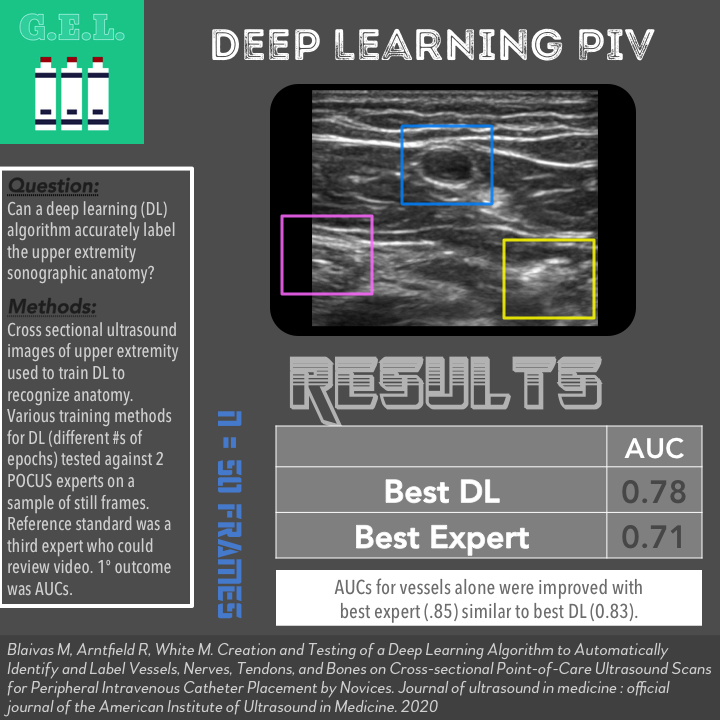
Deep learning is a branch of artificial intelligence that holds a lot of promise for point-of-care ultrasound, but we don’t have much data on how it performs. The fearless investigators in this fascinating study train a deep learning algorithm to recognize sonographic anatomy of the upper extremity and then pit it against expert POCUS users to see who can interpret the images most accurately!
Ultrasound G.E.L. – Deep Learning for Peripheral IV Anatomy Read More »
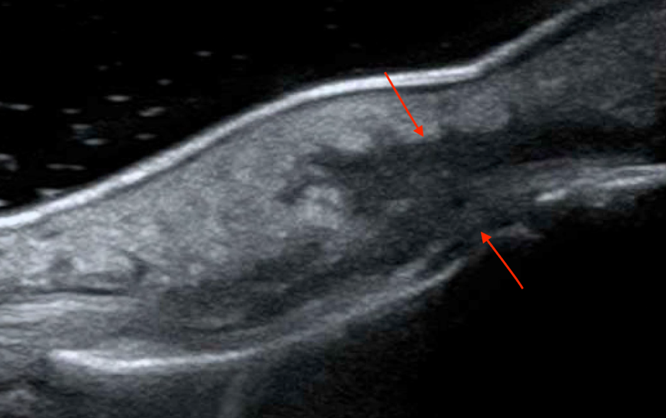
Can POCUS assist with diagnosis of flexor tenosynovitis?
Ultrasound Probe: POCUS for Flexor Tenosynovitis Read More »
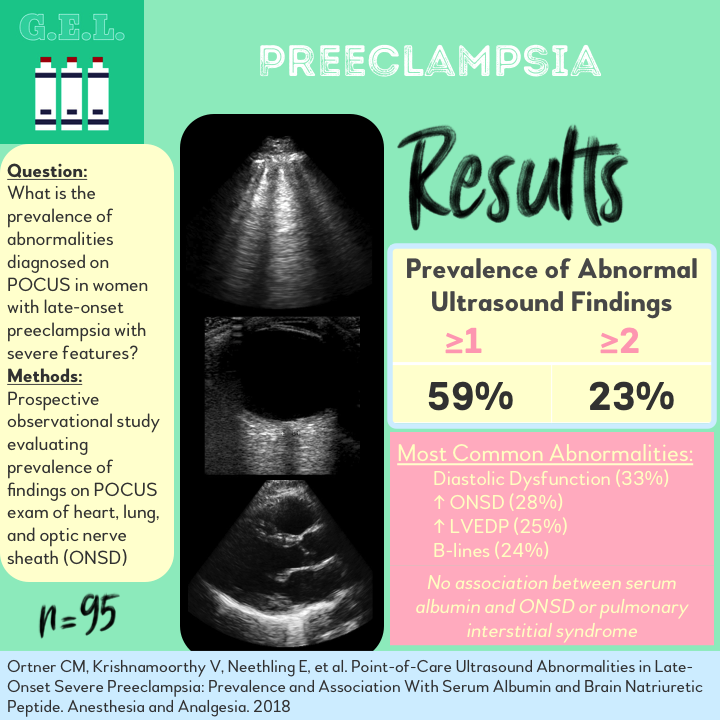
Point of care ultrasound can be used for a great many things, but I don’t think many people grab for the probe when a patient comes in with suspected pre-eclampsia.
Ultrasound G.E.L. – POCUS in Preeclampsia Read More »
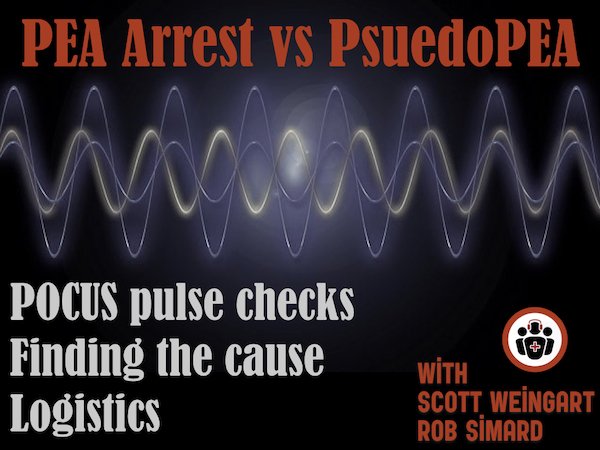
In this EM Cases Episode 131 PEA Arrest, PseudoPEA and PREM with Rob Simard of POCUS Cases fame and the co-author of The POCUS Pulse Check paper and Scott Weingart, we go beyond ACLS and guide you through the complex world of Pulseless Electrical Activity (PEA).
EM Cases: PEA Arrest, PseudoPEA and PREM – With Simard and Weingart Read More »
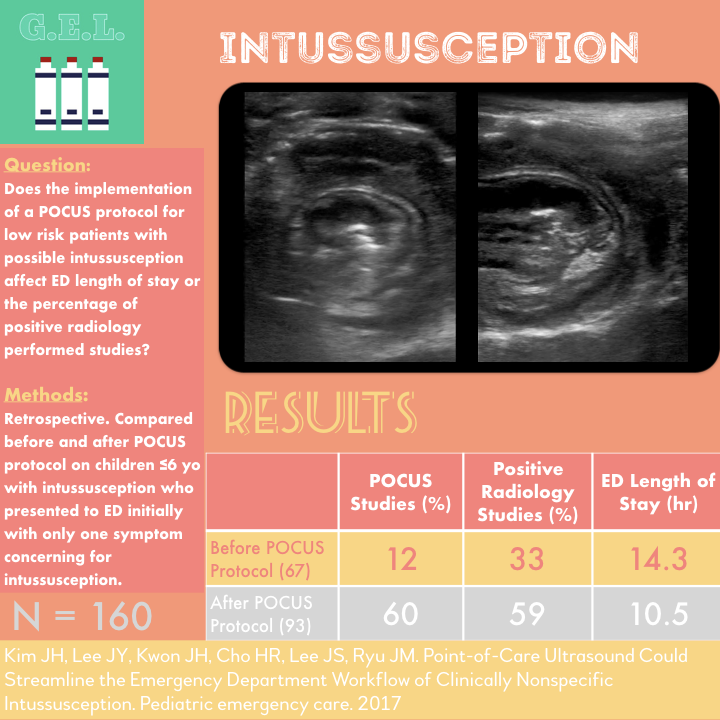
Can implementing a POCUS protocol helps improve the work flow in the emergency department?
Ultrasound G.E.L. – A POCUS Protocol for Intussusception Read More »

How can you use POCUS for the evaluation of aortic stenosis in the ED?
POCUS for Aortic Stenosis Read More »
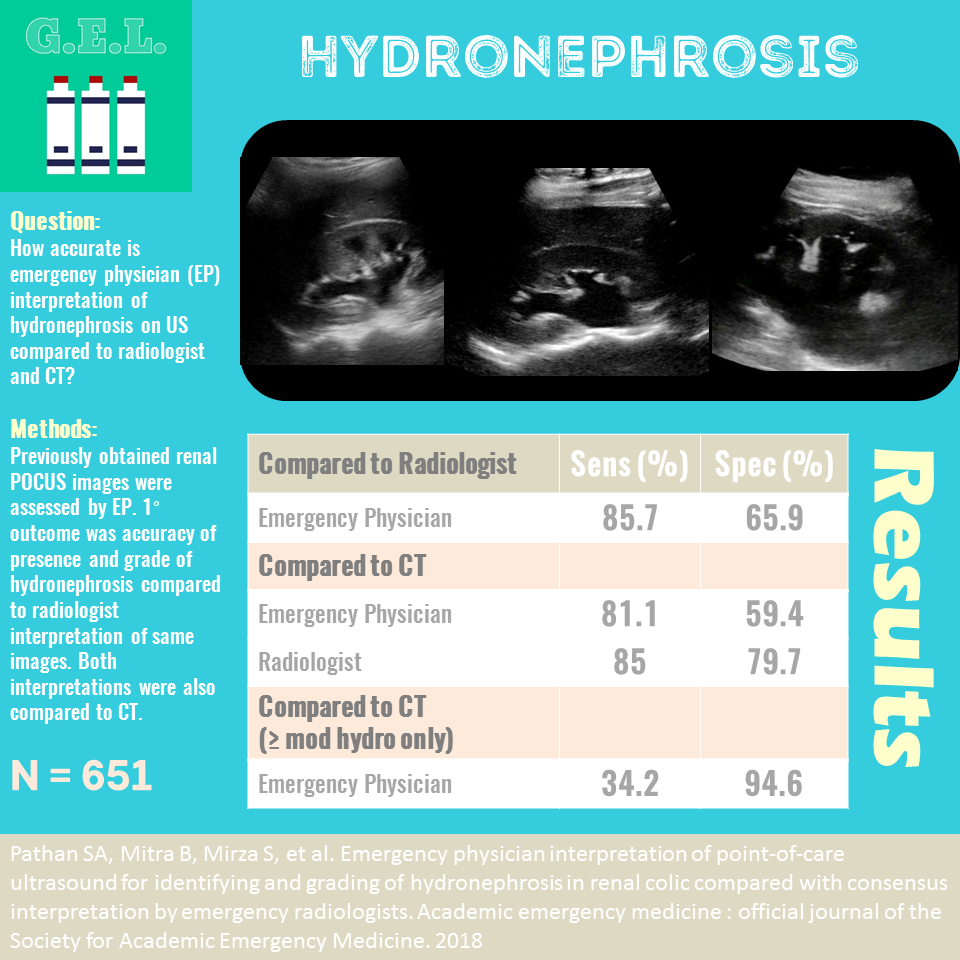
Pain from kidney stones is a common reason to come to the emergency department. Ultrasound has been shown to be a good first step in assessment – to determine the presence and degree of hydronephrosis.
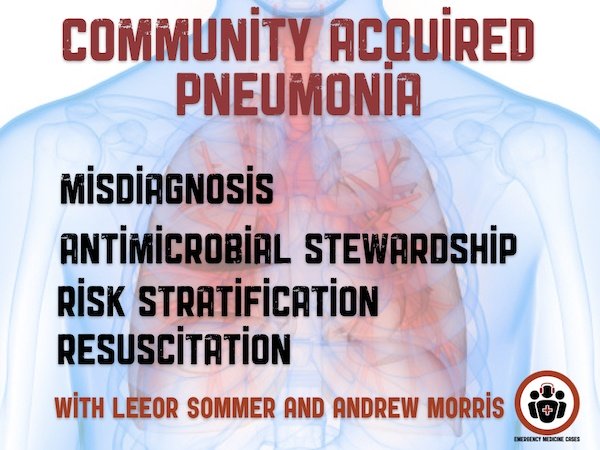
While community acquired pneumonia (CAP) is ‘bread and butter’ emergency medicine, and the diagnosis is often a ‘slam dunk’, it turns out that up one third of the time, we are wrong about the diagnosis; that x-rays are not perfect; that blood work is seldom helpful; that not all antibiotics are created equal and that deciding who can go home and who needs to go to the ICU isn’t always so clear cut.
EM Cases – Community Acquired Pneumonia: Emergency Management Read More »
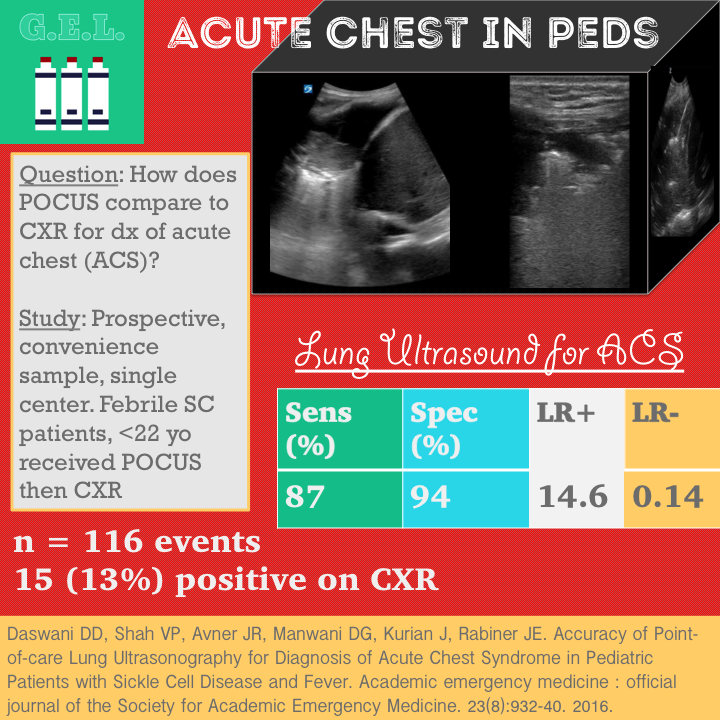
Can you do POCUS to detect acute chest syndrome?
Ultrasound G.E.L. – Acute Chest Syndrome in Pediatric Patients Read More »