
Unusual Complications of Alcohol Withdrawal
We manage alcohol withdrawal on a daily basis, but what are other complications of alcohol withdrawal?
Unusual Complications of Alcohol Withdrawal Read More »

We manage alcohol withdrawal on a daily basis, but what are other complications of alcohol withdrawal?
Unusual Complications of Alcohol Withdrawal Read More »
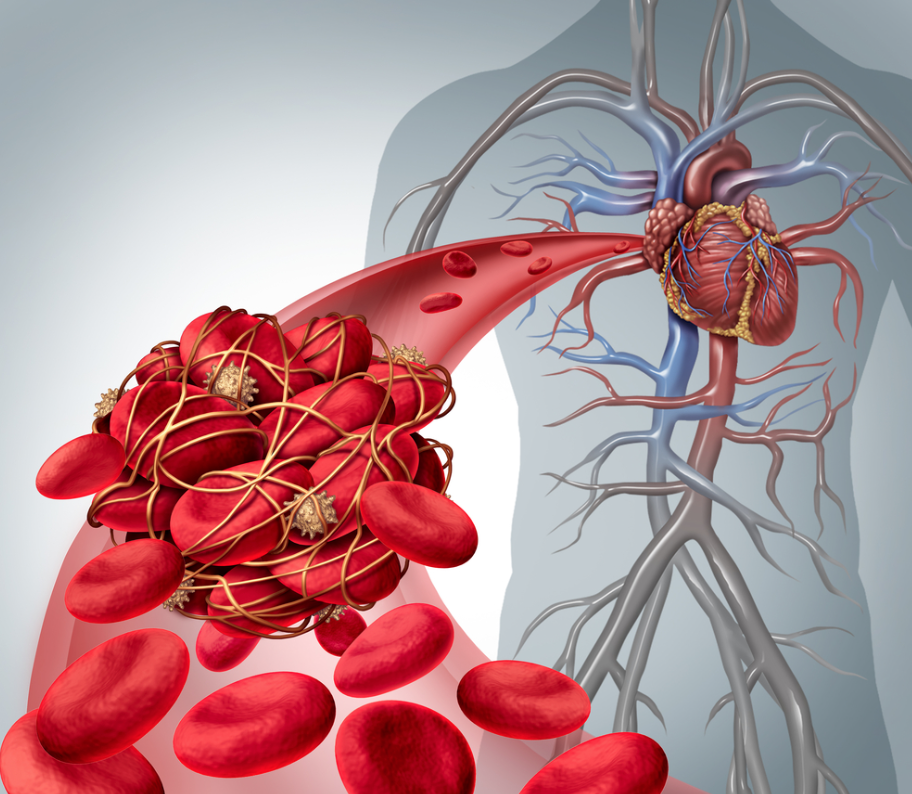
Catastrophic Antiphospholipid Syndrome, or CAPS, is associated with poor outcomes. But what is this condition? This post provides you the basics on this difficult disease.
Catastrophic Antiphospholipid Syndrome (CAPS) Read More »
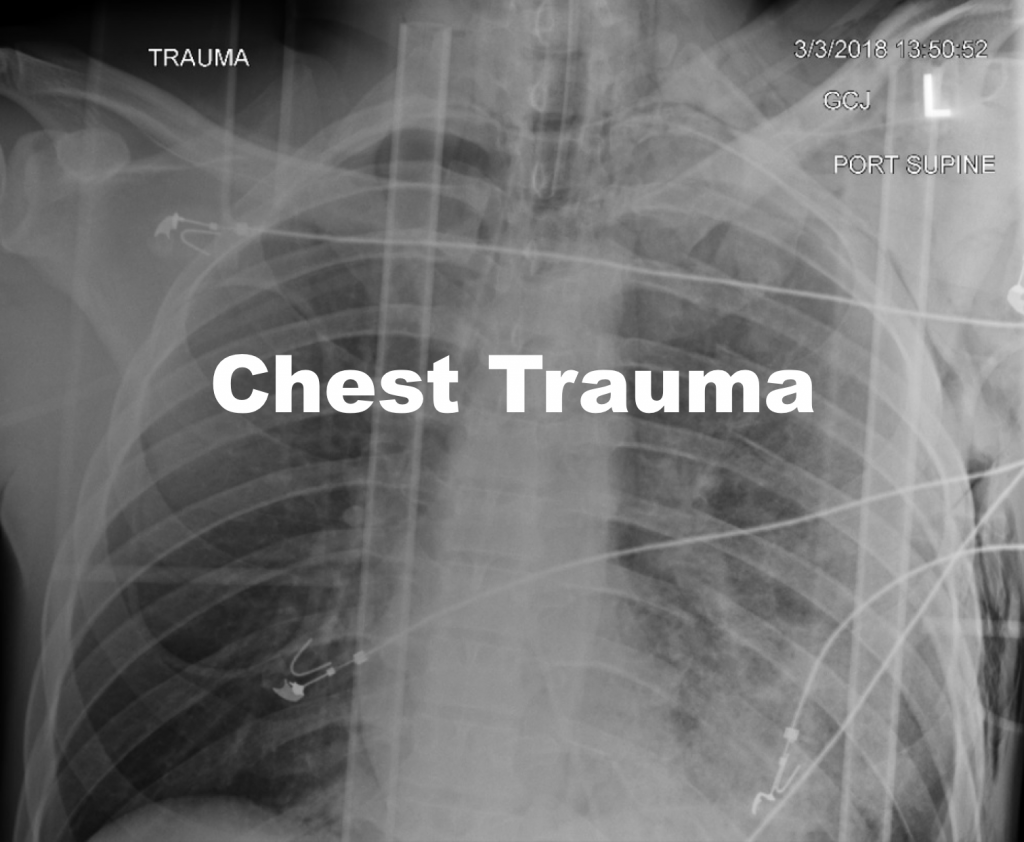
What should you consider in the patient with chest trauma? This post provides pearls and pitfalls in the evaluation and management of the patient with trauma to the chest.
The Chest Bump: Pulmonary Pearls & Pitfalls to Consider in Patients with Chest Trauma Read More »

The 2018 SSC guidelines are coming…
A Petition of the 2018 Surviving Sepsis Campaign Guidelines Read More »
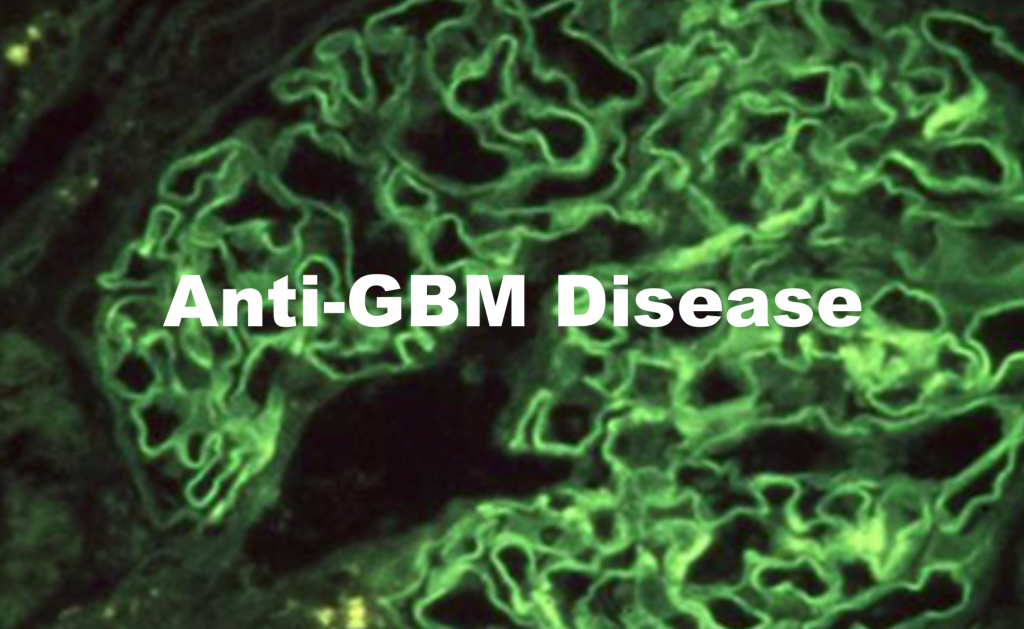
The patient with renal injury and respiratory symptoms… Could it be anti-GBM disease? This post looks at this condition and when you should consider it.
Goodpasture’s syndrome (anti-GBM disease): ED presentations, evaluation, and management Read More »
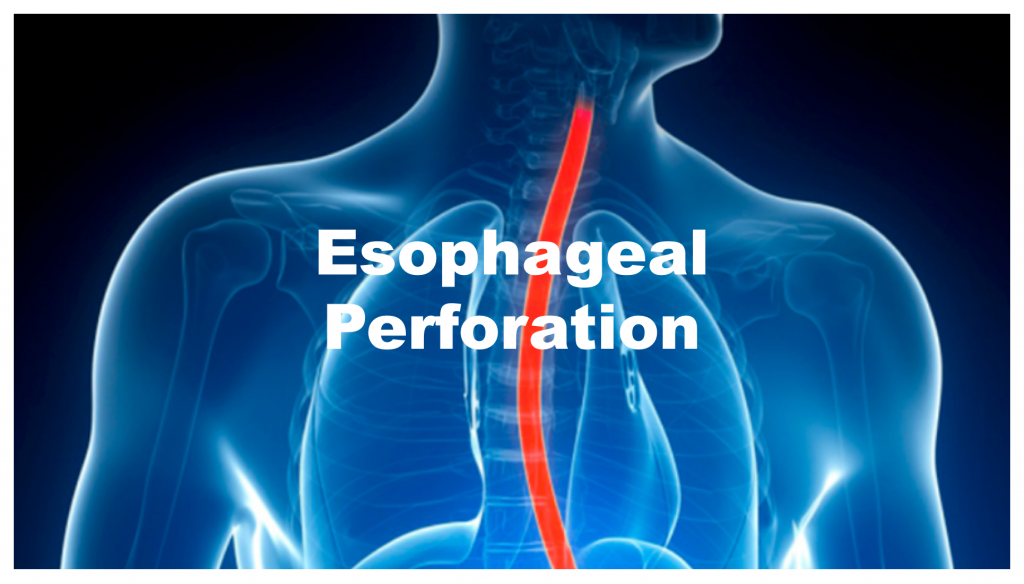
Esophageal perforation… A rare but deadly diagnosis. Read on for pearls and pitfalls in the evaluation and management of this condition.
Esophageal Perforation: Pearls and Pitfalls for the Resuscitation Room Read More »
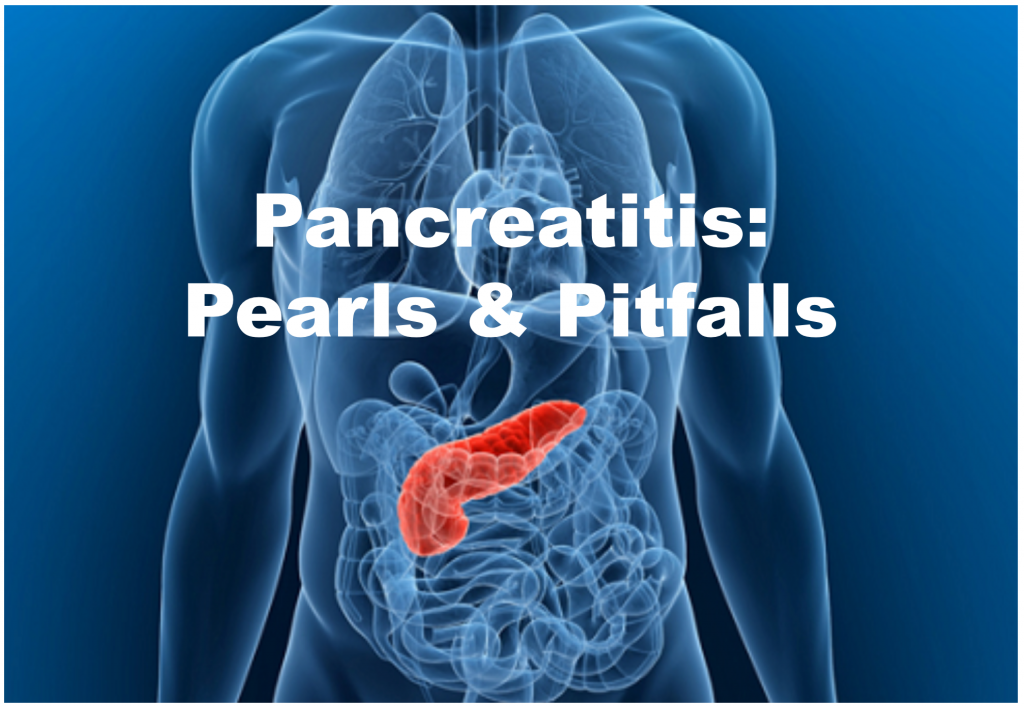
Pancreatitis seems straightforward in terms of evaluation, management, and disposition, but recent literature suggests we should make some changes. This post evaluates the ED evaluation and management of pancreatitis.
Pancreatitis: Pearls & Pitfalls Read More »

Welcome back to the EM Educator Series. These posts provide brief mini-cases followed by key questions to consider while working. The featured questions provide important learning points for those working with you, as well as vital items to consider in the evaluation and management of the specific condition discussed. This week we have a case of the sick burn patient.
The EM Educator Series: Why is my burn patient so sick? Read More »

How can we optimize our care of patients in hemorrhagic shock? This post from Anthony DeVivo and Jenny Beck-Esmay provide you with key pearls and pitfalls in the evaluation and management of the patient with hemorrhagic shock.
Hemorrhagic Shock: Pearls and Pitfalls for the Resuscitation Room Read More »

A 58-year-old male presents with severe shortness of breath, productive cough, and decreased ability to ambulate at home. He has COPD and is on oxygen at home. Several days ago he noted worsening congestion, myalgias, and cough. He is now severely short of breath and unable to complete his activities of daily living.
He is hypoxemic and tachypneic. You hear decreased air movement bilaterally and distal wheezes. What’s the next step in your evaluation and treatment?
EM@3AM: Acute COPD Exacerbation Read More »