FOAMed

Post-intubation analgesia/sedation regimens in ED: Pearls & Pitfalls

Intubation is an important intervention in the ED. We see a critical or impending airway problem and we secure the airway with intubation–very satisfying! Yet our job does not stop there. In addition to maintaining an appropriate ventilation strategy after intubation, it is crucial that we use appropriate post-intubation sedation and analgesia regimens for the continued care of these critical patients. This post will review sedation and analgesia regimens for different clinical scenarios after intubation, as well as some common pitfalls that we must be diligent to avoid.

Post-intubation analgesia/sedation regimens in ED: Pearls & Pitfalls Read More »

The Controversies of Corticosteroids in Sepsis

Sepsis is a condition emergency providers manage daily and has the potential for high morbidity and mortality. Sepsis management requires rapid diagnosis, early administration of intravenous (IV) fluids with broad-spectrum antimicrobials, and source control. But what is the role for steroids in sepsis? What are the potential benefits and risks? This post will explore the evidence surrounding corticosteroids in sepsis management to help shed some light on this controversial topic.

The Controversies of Corticosteroids in Sepsis Read More »

Mediastinitis: ED-focused basics

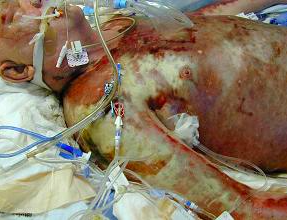
The mediastinum is the space between the pleural sacs which extends from the diaphragm superiorly to the superior aperture of the thorax. Mediastinitis is an infection involving the structures of the mediastinum, and this disease is a surgical emergency with potentially devastating consequences and serious threat to vital structures. This post provides the information that you need to know concerning this deadly disease.

Mediastinitis: ED-focused basics Read More »

Intraabdominal Catastrophes in the Pregnant Patient

Though many obstetric complications occur during pregnancy, the pregnant woman is still a woman with all her other organs that can be at risk, regardless of her pregnancy status. Typically, patients with obstetric complications will complain of uterine tenderness, vaginal bleeding and may have abnormal fetal heart tones on monitoring. When signs and symptoms do not support an obstetric cause for the patient’s abdominal pain, it is imperative that the differential is still wide for all other causes.

Intraabdominal Catastrophes in the Pregnant Patient Read More »