FOAMed

BNP Level in the Emergency Department: Does it Change Management?

BNP (Brain Natriuretic Peptide) is a commonly used biomarker for detecting heart failure in the emergency department. It’s levels can be affected by various extraneous factors such as obesity and renal failure. This article reviews the potential uses of BNP, including its pros and cons, in the emergency department.

BNP Level in the Emergency Department: Does it Change Management? Read More »

Nausea and Vomiting in Pregnancy: EM management

The pregnant patient with nausea and vomiting is something most providers want to avoid. A wide range of conditions can cause these symptoms in the pregnant patient, and these conditions can range from the benign morning sickness to life-threatening preeclampsia and acute fatty liver of pregnancy. What can you do to manage these patients while diagnosing severe disease?

Nausea and Vomiting in Pregnancy: EM management Read More »

Postpartum (within 1st month) Emergencies and their Management

Common postpartum emergencies include hemorrhage, infections, hypertension, preeclampsia/eclampsia, and headache. HELLP and peripartum cardiomyopathy are rare postpartum complications. This article reviews the presentation of these emergencies and how they are properly diagnosed and managed in the emergency department.

Postpartum (within 1st month) Emergencies and their Management Read More »

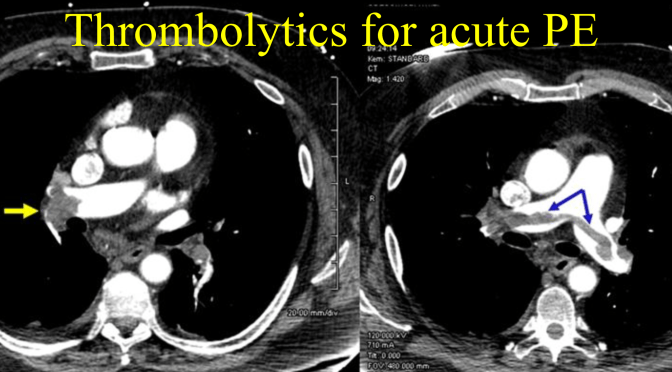
Controversies of Thrombolytics for Pulmonary Embolism

Pulmonary embolism (PE) is a disease process associated with significant morbidity and mortality. The benefits of thrombolytics for massive PE has been established in the literature. But what does the evidence say about the use of thrombolytics for submassive PE? What are the current guidelines and recommendations? As emergency physicians how should we apply the current evidence for the use of thrombolytics in submassive PE?

Controversies of Thrombolytics for Pulmonary Embolism Read More »