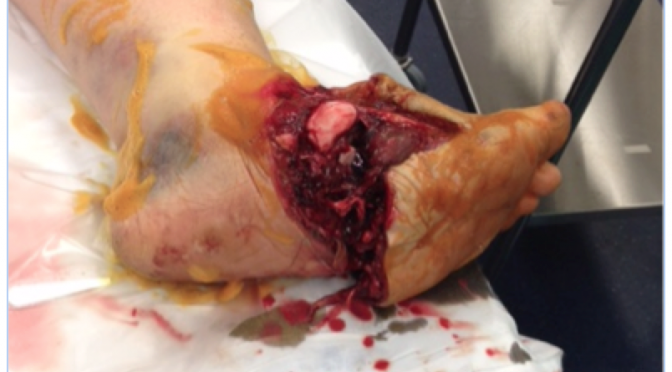
Open Fractures – Pearls and Pitfalls
A great update on the classification and management of open fractures. What can you do better?
Open Fractures – Pearls and Pitfalls Read More »


A great update on the classification and management of open fractures. What can you do better?
Open Fractures – Pearls and Pitfalls Read More »

In 2002, a new standard of care was established when the Surviving Sepsis Campaign (SSC) highlighted the importance of recognizing sepsis and initiating treatment early. Once we find that a patient meets Systemic Inflammatory Response Syndrome (SIRS) criteria with a source of infection, rapid and appropriate treatment including resuscitation is a must. Early fluid resuscitation is necessary for septic patients, but there is large variance on the aggressiveness of fluid resuscitation. There is disagreement amongst the experts on the total amount of fluids that should be administered and the end points for resuscitation. We must ask ourselves, at what point does our aggressive resuscitation actually start to harm our patients?
Resuscitation in Sepsis: How Much is Too Much? Read More »
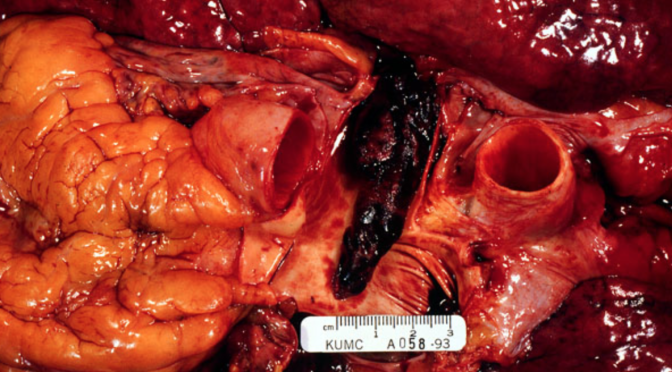
What do you do with the sick, unstable PE patient? Management pearls for resuscitating the unstable patient with pulmonary embolism.
Pulmonary Embolism: Management of the Unstable Patient Read More »

Does your choice of fluids for resuscitation in sepsis matter? Multiple studies have been performed to determine whether septic patients benefit from colloid versus crystalloid IV fluids, and other studies have specifically looked at the different kinds of fluids within those specific groups. Debate now exists as to which fluid will improve patient outcomes.
Fluid Choice in Sepsis: Does it matter? Read More »

What do you do with the seizing patient? What tests and medications are warranted?
Treatment of Seizures in the Emergency Department: Pearls and Pitfalls Read More »

The CMS guidelines for sepsis…What are the measures you need to meet, and are they supported by the literature?
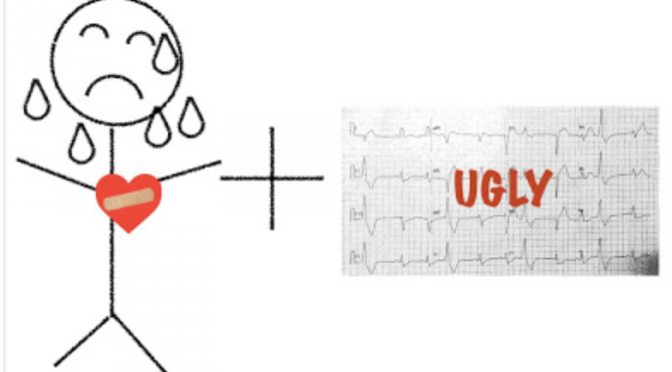
The sick MI patient: What are the scary complications, and what can you do?
The Sick MI Patient Read More »

A great deal of literature exists on sepsis and providing state of the art care in the ED. As EM physicians, we pride ourselves on resuscitating sick patients, and we are well aware that septic patients can rapidly decline clinically. Finding the source and providing appropriate antibiotics, adequate preload with IV fluids, and vasopressors if necessary are key components. The SIRS criteria are our first line of defense in the early identification of sepsis. But, it is important to recognize that just because a patient has multiple SIRS criteria, they may not actually be septic.
Mimics of Sepsis: What do ED Physicians Need to Know? Read More »
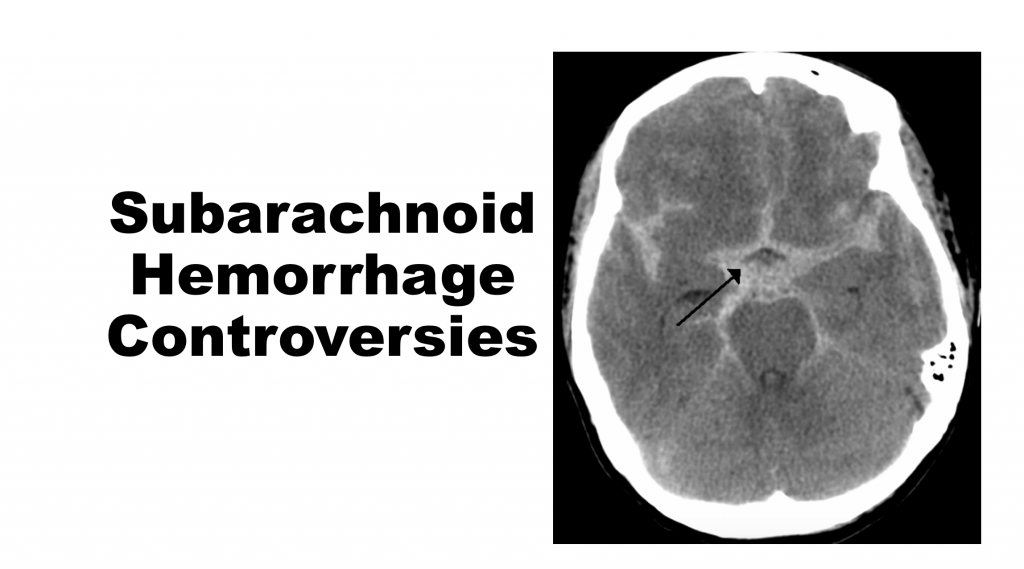
The challenge of emergency medicine is to determine if a patient has a serious and/or deadly condition, even when he or she presents with a common chief complaint. A simple HA can be life-threatening…
Controversies in the Diagnosis of Subarachnoid Hemorrhage Read More »

One of the most dangerous times in EM: The Handoff. What can be done better?
ED Handoffs – The problem and what we can do to improve Read More »