Decompensated hypothyroidism: An EM Primer
The first post in the new EM Primer Series…What are the pearls you need to know for myxedema?
Decompensated hypothyroidism: An EM Primer Read More »
The first post in the new EM Primer Series…What are the pearls you need to know for myxedema?
Decompensated hypothyroidism: An EM Primer Read More »
A illuminating case of chest pain and the importance of short PR on ECG.
Not Your Typical Chest Pain Case… Read More »
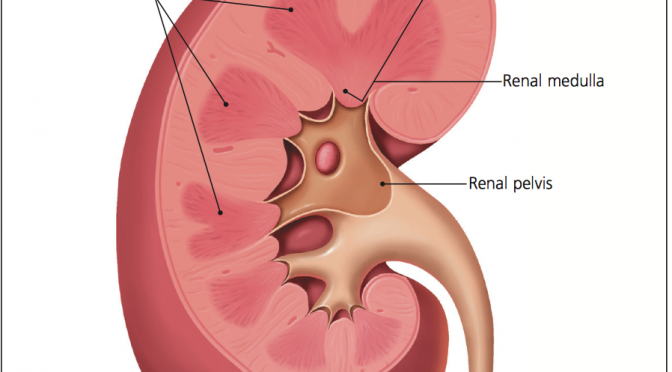
This article discusses why diagnosing simple vs. complicated pyelonephritis matters. The management of complicated pyelonephritis and the mimics of pyelonephritis will also be discussed.
Pyelonephritis: It’s not always so straightforward… Read More »
A frightening airway: the critical GI bleeder. What can you do to maximize success?
Intubating the Gastrointestinal Bleeder Read More »
Sepsis is a common, serious medical condition diagnosed and managed in the ED. What do EM providers miss, and how can we improve?
Early Sepsis: Why Do We Miss It And How Do We Improve Read More »
Hemolytic uremic syndrome is a potentially deadly disease, comprised of microangiopathic hemolytic anemia (MAHA), thrombocytopenia, and acute kidney injury (AKI). This post evaluates the pathophysiology, evaluation, and management of HUS.
Hemolytic Uremic Syndrome (HUS): Pearls and Pitfalls Read More »
A great update on the classification and management of open fractures. What can you do better?
Open Fractures – Pearls and Pitfalls Read More »
In 2002, a new standard of care was established when the Surviving Sepsis Campaign (SSC) highlighted the importance of recognizing sepsis and initiating treatment early. Once we find that a patient meets Systemic Inflammatory Response Syndrome (SIRS) criteria with a source of infection, rapid and appropriate treatment including resuscitation is a must. Early fluid resuscitation is necessary for septic patients, but there is large variance on the aggressiveness of fluid resuscitation. There is disagreement amongst the experts on the total amount of fluids that should be administered and the end points for resuscitation. We must ask ourselves, at what point does our aggressive resuscitation actually start to harm our patients?
Resuscitation in Sepsis: How Much is Too Much? Read More »
What do you do with the sick, unstable PE patient? Management pearls for resuscitating the unstable patient with pulmonary embolism.
Pulmonary Embolism: Management of the Unstable Patient Read More »
Does your choice of fluids for resuscitation in sepsis matter? Multiple studies have been performed to determine whether septic patients benefit from colloid versus crystalloid IV fluids, and other studies have specifically looked at the different kinds of fluids within those specific groups. Debate now exists as to which fluid will improve patient outcomes.
Fluid Choice in Sepsis: Does it matter? Read More »