
ECG Pointers: Limb Lead Reversal
What happens with limb lead reversal on the ECG?
ECG Pointers: Limb Lead Reversal Read More »

What happens with limb lead reversal on the ECG?
ECG Pointers: Limb Lead Reversal Read More »
Today we will review the basics of cardiovascular drug effects on the different phases of the action potential.
Tox Card: Cardiovascular Drug Effects on the Action Potential and ECG Read More »
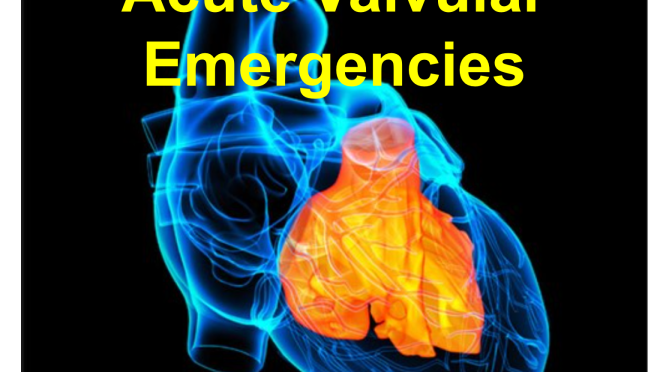
The patient with acute valvular emergency can be terrifying. These patients may rapidly decompensate, and the physiology and management are complex. What can you do to prepare? This post provides pearls and pitfalls in the evaluation and management of patients with acute valvular emergency. You may be surprised what you read…
Acute Valvular Emergencies: Pearls and Pitfalls Read More »

Tachypnea is defined as rapid breathing noted on clinical presentation. This finding can signify the presence of a dangerous condition, and this post evaluates the etiologies, evaluation, and management of the tachypneic patient in the ED. Are you missing something with tachypnea in the ED?
Approach to Tachypnea in the ED Setting Read More »
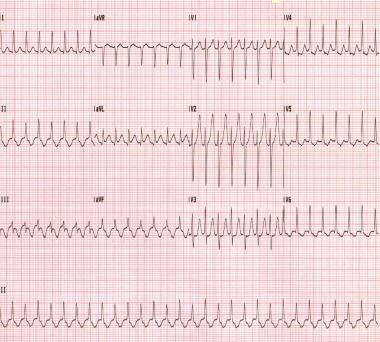
Cardiac arrhythmias are not common in pregnancy, but they can occur. While the workup and management is quite similar to the non-pregnant patient, there are subtle differences. This is a brief review of the ED management of unstable and stable tachycardic arrhythmias in pregnancy.
Tachycardic Arrhythmias in Pregnancy: Management Read More »
Unstable and symptomatic bradycardias require urgent intervention. This is an overview of bradycardias and how to approach them in the emergency department.
An Approach to Bradycardia in the Emergency Department Read More »

BNP (Brain Natriuretic Peptide) is a commonly used biomarker for detecting heart failure in the emergency department. It’s levels can be affected by various extraneous factors such as obesity and renal failure. This article reviews the potential uses of BNP, including its pros and cons, in the emergency department.
BNP Level in the Emergency Department: Does it Change Management? Read More »

A post filled with management pearls for atrial fibrillation. What are potential etiologies? What medications should you use, when should you use them, and what are potential problems with these medications? What about anticoagulation?
Management of Atrial Fibrillation: Do’s and Don’ts Read More »
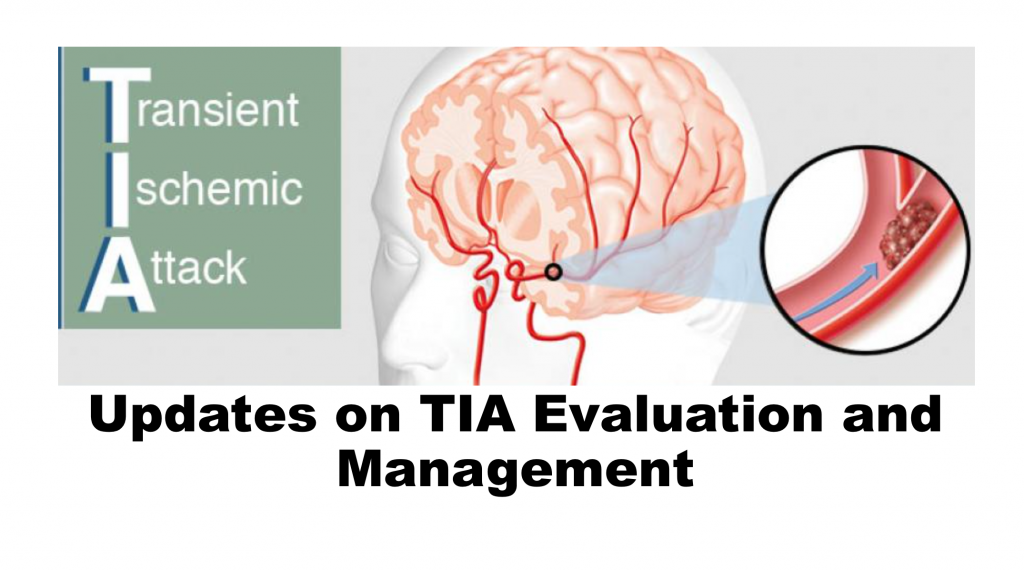
The transient ischemic attack (TIA) places patients at high risk for future stroke. This article reviews the current literature on the diagnosis, management and disposition of patients with TIA. The use of observation and TIA clinics is also discussed.
Third degree, or complete, heart block indicates complete dissociation between the atria and the ventricles. It is a cardiac emergency that has numerous causes including primary cardiac, electrolyte and medication toxicity. It needs to be managed with emergent pacing, either trancutaneous or transvenous. This article describes complete heart block and its management.