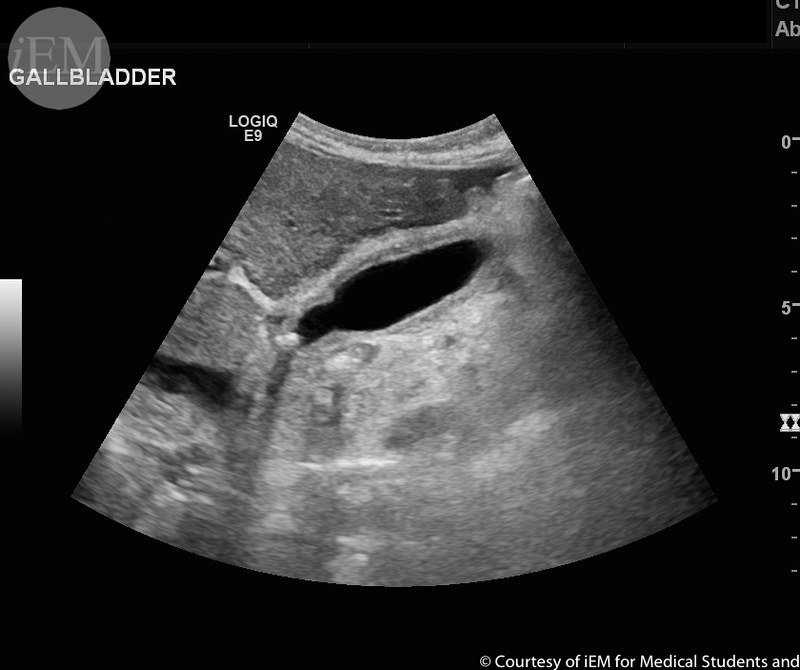
Emergency Department Evaluation of Cholestatic Labs
What should you do with labs that show evidence of cholestasis? What are your next steps for imaging?
Emergency Department Evaluation of Cholestatic Labs Read More »

What should you do with labs that show evidence of cholestasis? What are your next steps for imaging?
Emergency Department Evaluation of Cholestatic Labs Read More »
A 58-year-old female presents with severe headache and nausea. Her symptoms started shortly after leaving the office of her pain management doctor, where she had an epidural steroid injection to alleviate her chronic back pain approximately 30 minutes before she arrived in the ED. The patient denies any trauma to the head, fevers, nuchal rigidity, changes in vision, focal weakness, paresthesia, or anticoagulation use. On arrival, she is awake and alert and in obvious distress. Her vitals signs include temperature of 98.8F, HR of 64, BP 133/78, and O2 saturation of 98% on room air with a respiratory rate of 18. Her exam, including a complete neurological exam, is grossly benign. Given her acute complaint and recent history, labs and CT of the head are obtained. The clinician orders analgesics. The CT shows intracranial air.
EM@3AM: Pneumocephalus Read More »
What is Ashman’s Phenomenon?
ECG Pointers: Ashman’s Phenomenon Read More »

Vertebral artery CVA leaves patient disabled. Could more have been done? This edition of medical malpractice insights covers the importance of documentation.
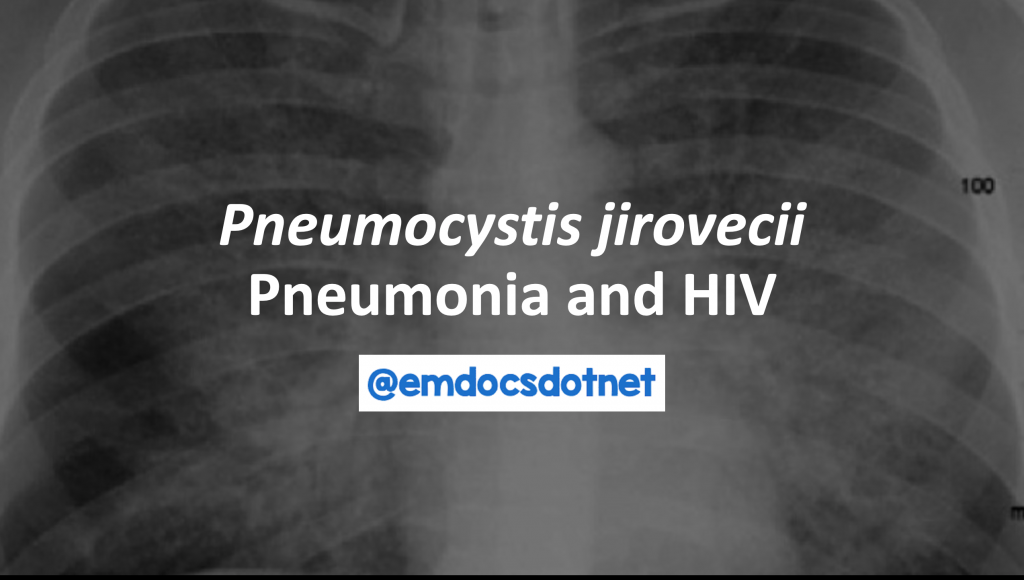
How do you evaluate and manage the patient with Pneumocystis jirovecii pneumonia and HIV?
Journal Feed is back with infected stones, whole blood for trauma, and an AI-powered OMI detector.
Journal Feed Weekly Wrap-Up Read More »
A 30-year-old male with history of IVDU presents with fever. He reports last drug use was one hour prior to arrival and admits to reusing the same cotton filter on multiple occasions. He denies recent cough, chest pain, shortness of breath, abdominal pain, nausea, vomiting, or diarrhea. VS include Temp 101.0°F, HR 110, BP 130/80, RR 18, SpO2 98% on room air. On exam, he is diaphoretic and has track marks on bilateral upper extremities. Lung sounds are clear, and there are no heart murmurs. Complete blood count and metabolic panel are unremarkable. What is the likely diagnosis?
EM@3AM: Cotton Fever Read More »
Tox Cards is back and covers plants with anticholinergic toxicity.
ToxCard: Anticholinergic Plant Toxicity Read More »

We all know about metrics, but which one really matters? Rob Orman breaks it down.
emDOCs Podcast – Episode 95: The Metric That Really Matters Read More »

What do you need to know about ABG versus VBG?
ABG Versus VBG in the Emergency Department Read More »