Neurology

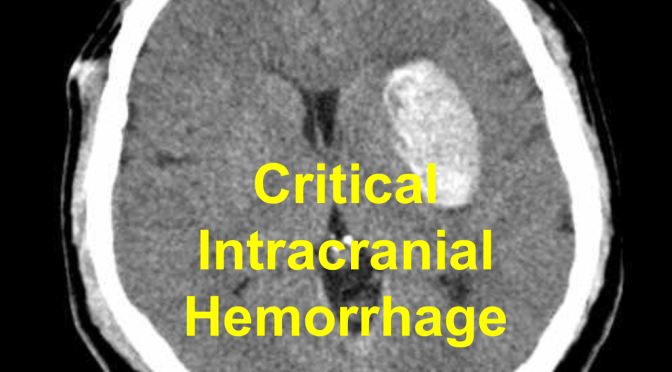
Critical Intracranial Hemorrhage: Pearls and Pitfalls in Evaluation and Management

Intracranial hemorrhage is the second most common cause of stroke, accounting for 10 to 15% of all acute strokes. These patients can present with many different symptoms and can be life-threatening. This post details pearls and pitfalls in the differential, evaluation, and management of these patients.

Critical Intracranial Hemorrhage: Pearls and Pitfalls in Evaluation and Management Read More »

Current Controversies in TIA Evaluation

TIA is a brief neurologic deficit due to cerebral ischemia, with no permanent infarction. It affects over 200,000 U.S. patients per year and may precede 14% to 23% of strokes. Many have sought risk stratification tools to determine who may be appropriate for discharge with follow-up. This post evaluates the new ACEP guidelines for TIA and the controversies in the ED evaluation of TIA.

Current Controversies in TIA Evaluation Read More »

“Dementia” in the emergency department: can you do anything about it?

Dementia versus delirium is an age old question in emergency medicine. Many studies have been conducted seeking a means of differentiation. First, is there a way to differentiate, and second, is dementia always irreversible? Dementia is often thought to be due to a chronic disease, but studies suggest 20-30% of dementia cases are due to a reversible cause. This post looks at these questions and more.

“Dementia” in the emergency department: can you do anything about it? Read More »

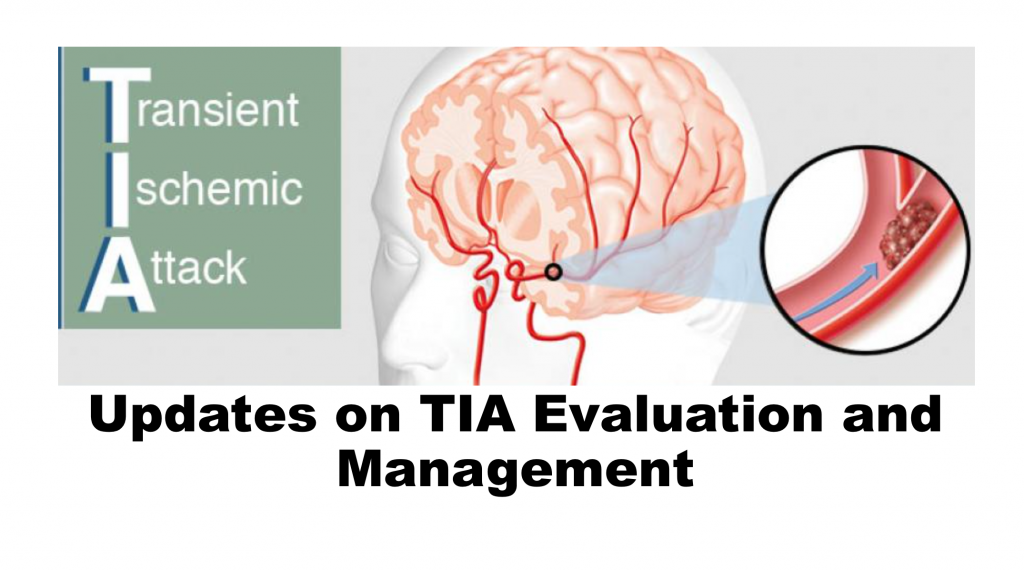
Updates on TIA

The transient ischemic attack (TIA) places patients at high risk for future stroke. This article reviews the current literature on the diagnosis, management and disposition of patients with TIA. The use of observation and TIA clinics is also discussed.

Updates on TIA Read More »

Gratis planlægnings system for låsesmede. Alternatively, you can choose not to be too specific and let previsto plan the details for you. Cornilleau park outdoor ping pong table.