Brit Long

Clinical Decision Rules Series Part 2: CDR Implementation

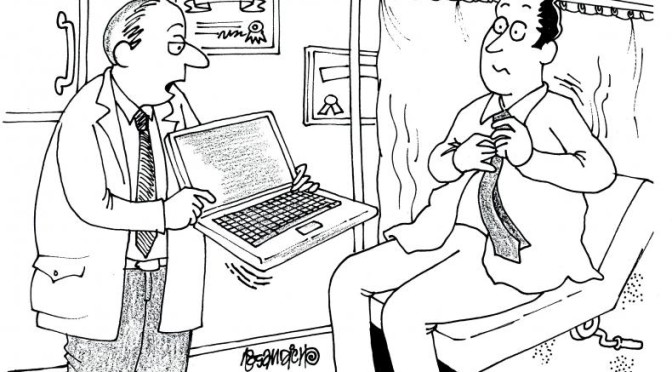
There are often multiple roadblocks to incorporating a CDR into clinical practice. These can be broken into the 1) individual provider and 2) the institution.

1. Emergency physicians are a rare breed, and many of us do not appreciate suggestions on how to practice. Individual providers vary in many regards: training, knowledge, experience, and gestalt. Workups and treatments can significantly differ among providers. With CDRs, physicians may be hesitant to apply these rules to their own practice. They may feel the rules are too complex, too difficult to remember, or detract valuable time from patient care. Providers often feel that gestalt or experience is better than rules.

2. Institutions may have habits or a culture for particular conditions that may make it difficult to apply a rule. Tradition or consultant availability may color the use of CDRs. Unfortunately, the medico-legal environment or funding can also play a large role in the use, or lack thereof, for CDRs.

Clinical Decision Rules Series Part 2: CDR Implementation Read More »

The Clinical Decision Rules Series (Part 1)

Clinical decision rules (CDRs) are everywhere in medicine today. They were developed to improve our decision-making capability. We are constantly under stress to improve throughput and diagnostic capabilities. CDRs are appealing in that they strive to take murky, unclear variables and change them into a structured tool or assessment. They can potentially take more factors into account than the typical physician at the bedside and give consistent results if applied appropriately.

The Clinical Decision Rules Series (Part 1) Read More »

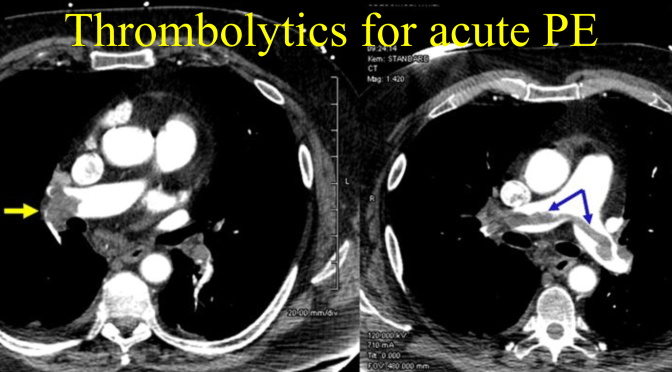
Controversies of Thrombolytics for Pulmonary Embolism

Pulmonary embolism (PE) is a disease process associated with significant morbidity and mortality. The benefits of thrombolytics for massive PE has been established in the literature. But what does the evidence say about the use of thrombolytics for submassive PE? What are the current guidelines and recommendations? As emergency physicians how should we apply the current evidence for the use of thrombolytics in submassive PE?

Controversies of Thrombolytics for Pulmonary Embolism Read More »

Acute Visual Loss in the Emergency Department: Pearls and Pitfalls

Acute vision loss has a wide differential, and some of these conditions can cause permanent visual deficit. Many of these are time-sensitive, and the emergency physician may improve patient outcome through the consideration of several acute conditions. This post seeks to provide an overview of the evaluation of vision loss in the ED and a summary of several common conditions.

Acute Visual Loss in the Emergency Department: Pearls and Pitfalls Read More »

Updates on TIA

The transient ischemic attack (TIA) places patients at high risk for future stroke. This article reviews the current literature on the diagnosis, management and disposition of patients with TIA. The use of observation and TIA clinics is also discussed.

Updates on TIA Read More »

Think plant based diets lack sufficient protein ? think again. 24/7 dallas tx bounce launch autos. emdocs privacy policy.