
ED Handoffs – The problem and what we can do to improve
One of the most dangerous times in EM: The Handoff. What can be done better?
ED Handoffs – The problem and what we can do to improve Read More »

One of the most dangerous times in EM: The Handoff. What can be done better?
ED Handoffs – The problem and what we can do to improve Read More »

Continuing with our EM Mindset series, here is another great piece by Dr. Sam Ghali to kick off your week. Enjoy!
EM Mindset: Sam Ghali – Make Things Happen, Save Lives, Alleviate Suffering Read More »
The hot, altered, and stiff patient. What do you need to consider?
Serotonin Syndrome and Neuroleptic Malignant Syndrome: Pearls & Pitfalls Read More »

A review of concussion in sports: diagnosis, management, imaging indications, and disposition.
Concussion in Sports: Sideline and Emergency Department Evaluation and Management Read More »

A great review of hand injuries EM providers shouldn’t miss. How do you diagnose and manage flexor tenosynovitis, compartment syndrome, and UCL disruption?
Handy Knowledge: subtle and high-risk hand injuries Read More »
From the understanding of physostigmine’s mechanism of action and the above data, we would like to summarize key points and recommendations regarding the use of physostigmine.
Physostigmine for Management of Anticholinergic Toxidrome Read More »
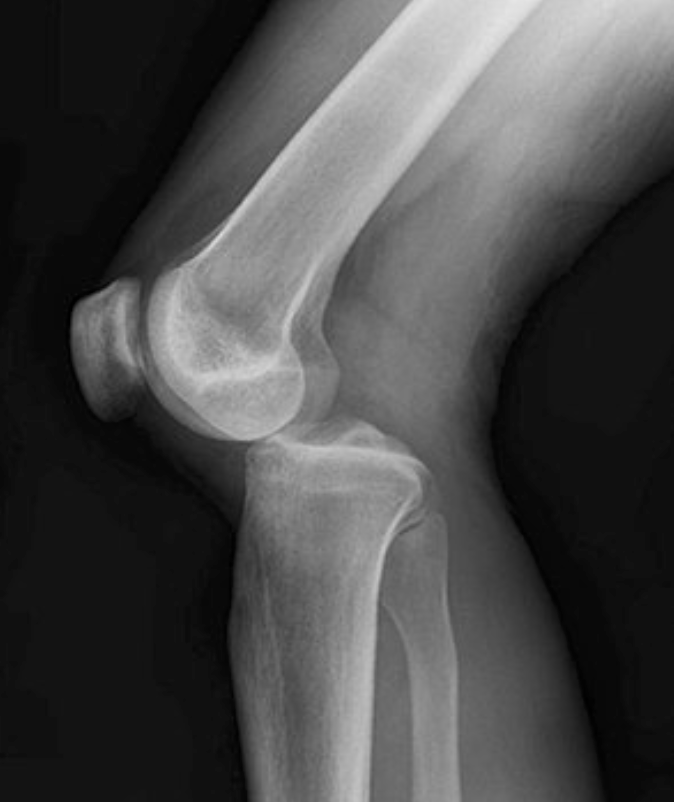
Knee dislocation pearls and pitfalls….don’t be fooled!
Knee Dislocation: Pearls and Pitfalls Read More »
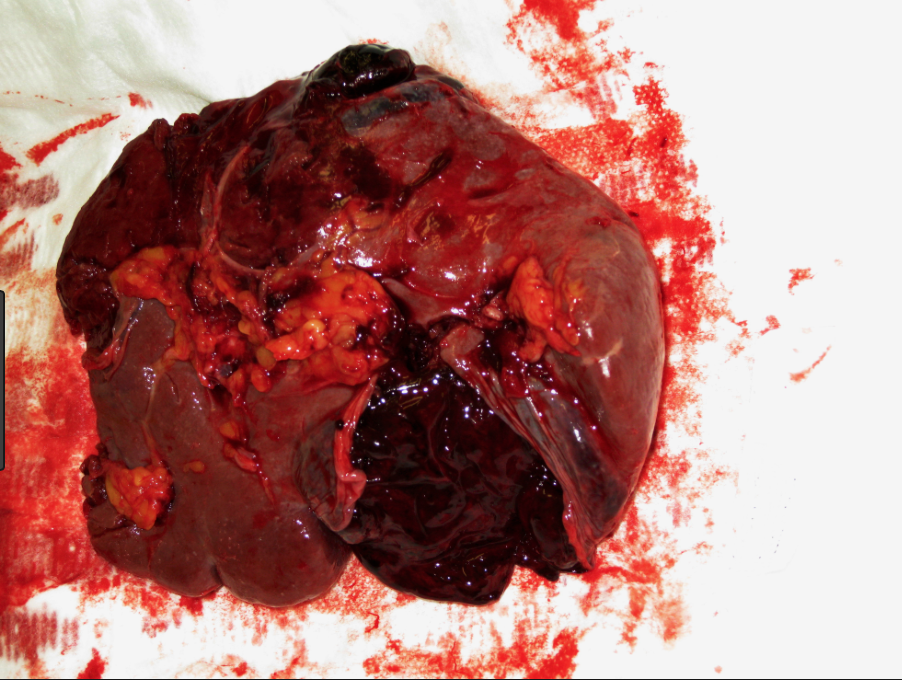
A power review of the literature on management of blunt and penetrating abdominal trauma
Abdominal Trauma: Is There Anything We Can Be Doing Better? Read More »

How can you best manage the patient with Ludwig’s Angina?
Ludwig’s Angina: Pearls, Pitfalls, and Highlights Read More »
Treat the patient, not the number. A blood pressure of 120/80 mmHg in a chronically hypertensive patient can be dangerously low. Whatever the HPI may suggest, unbiased implementation of the bedside physical examination and sonography are crucial in the workup of unexplained hypotension. This four step systematic approach of sequentially assessing heart rate, volume status, cardiac performance, and systemic vascular resistance can narrow the differential and guide management.
The Hypotensive ED Patient: A Sequential Systematic Approach Read More »