FOAMed

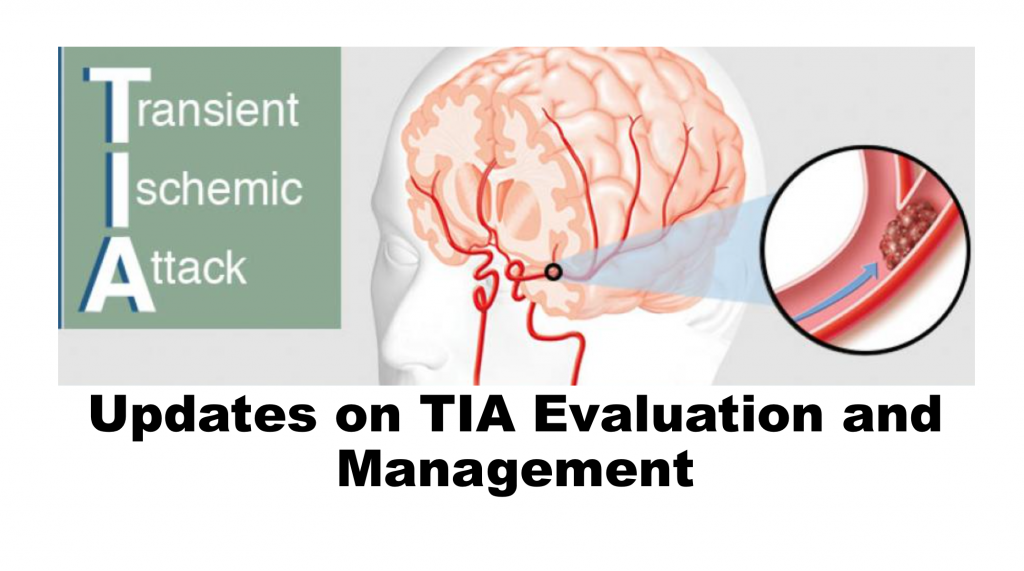
Updates on TIA

The transient ischemic attack (TIA) places patients at high risk for future stroke. This article reviews the current literature on the diagnosis, management and disposition of patients with TIA. The use of observation and TIA clinics is also discussed.

Updates on TIA Read More »

Bleeding Hand Wounds

Hand and digital wound bleeding should be managed with hemorrhage control, an adequate exam and proper treatment. There are many tools to help manage bleeding and allow for an adequate exam. Using a topical analgesic such as lidocaine, can be helpful with pain control. The addition of epinephrine to a topical analgesic in hand and digital wounds may not be as scary as once thought and may be considered to help with hemorrhage control in certain wounds.

Bleeding Hand Wounds Read More »

Identifying Complete Heart Block and the use of Temporary Cardiac Pacing in the Emergency Department

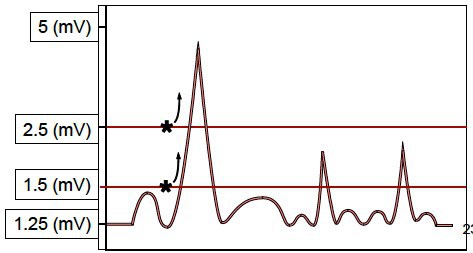
Third degree, or complete, heart block indicates complete dissociation between the atria and the ventricles. It is a cardiac emergency that has numerous causes including primary cardiac, electrolyte and medication toxicity. It needs to be managed with emergent pacing, either trancutaneous or transvenous. This article describes complete heart block and its management.

Identifying Complete Heart Block and the use of Temporary Cardiac Pacing in the Emergency Department Read More »

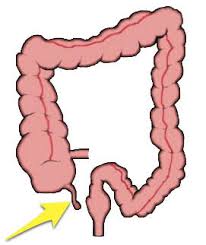
Appendicitis: Pearls and Pitfalls in Adult and Pediatric Populations

There is no individual sign or symptom that can reliably exclude appendicitis in any patient. Appendicitis should be considered one diagnosis among a large differential. Concerning cases with a negative CT should be considered for admission. Radiation should be limited in children. Treatment may include antibiotics along with surgery.

Appendicitis: Pearls and Pitfalls in Adult and Pediatric Populations Read More »