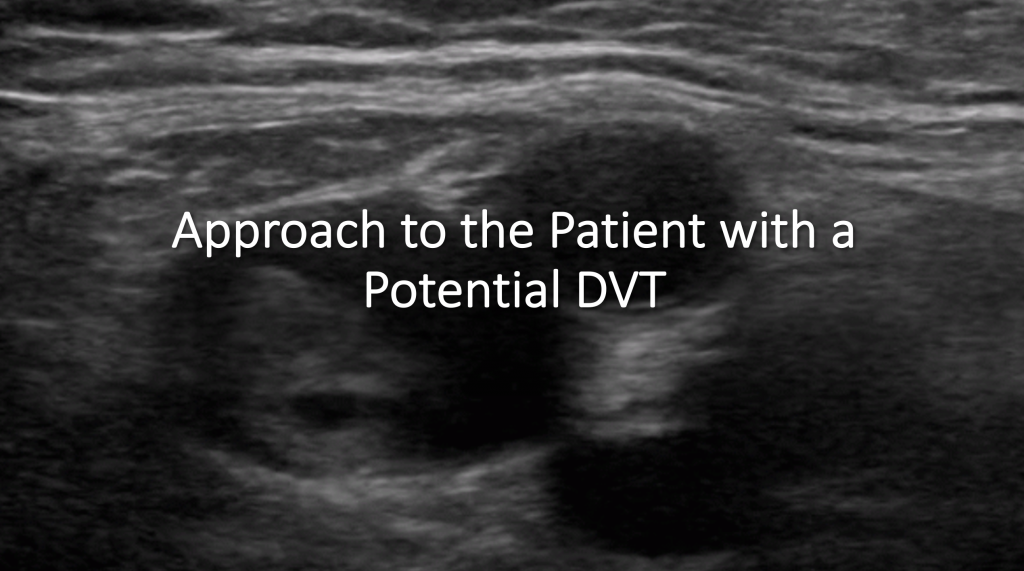
Red Leg in the Heartland of America: A Rural Physician’s Approach to the Patient with a Potential DVT
What should you consider when evaluating a patient for DVT in the rural setting?

What should you consider when evaluating a patient for DVT in the rural setting?
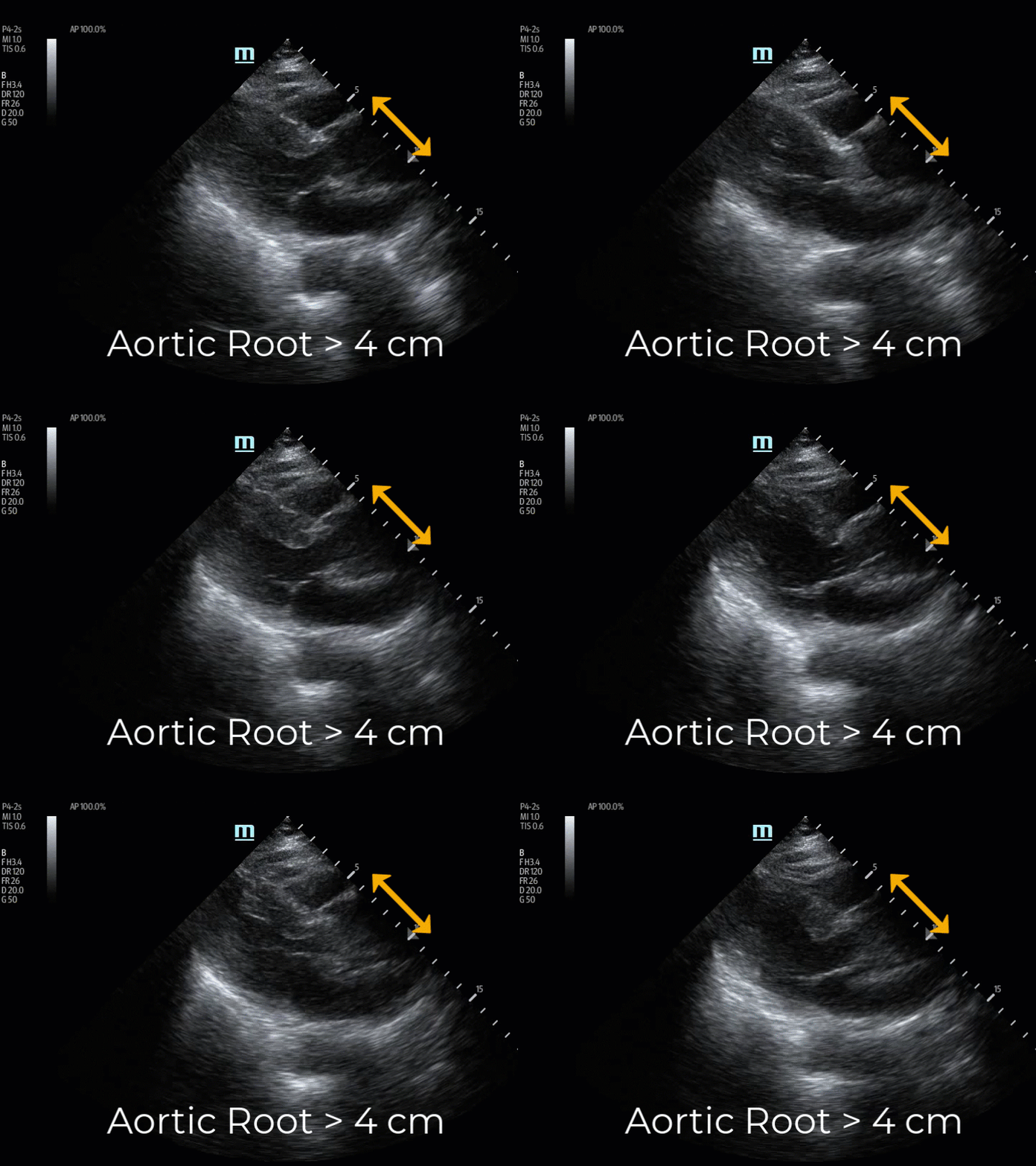
How can you use POCUS for evaluation of dissection in the setting of ischemic stroke?
POCUS for aortic dissection in the clinical presentation of ischemic stroke Read More »
POCUS for the shoulder can be utilized within the ED setting to decrease wait times and expedite diagnosis and disposition of patients.
US Probe: POCUS for the Shoulder Read More »
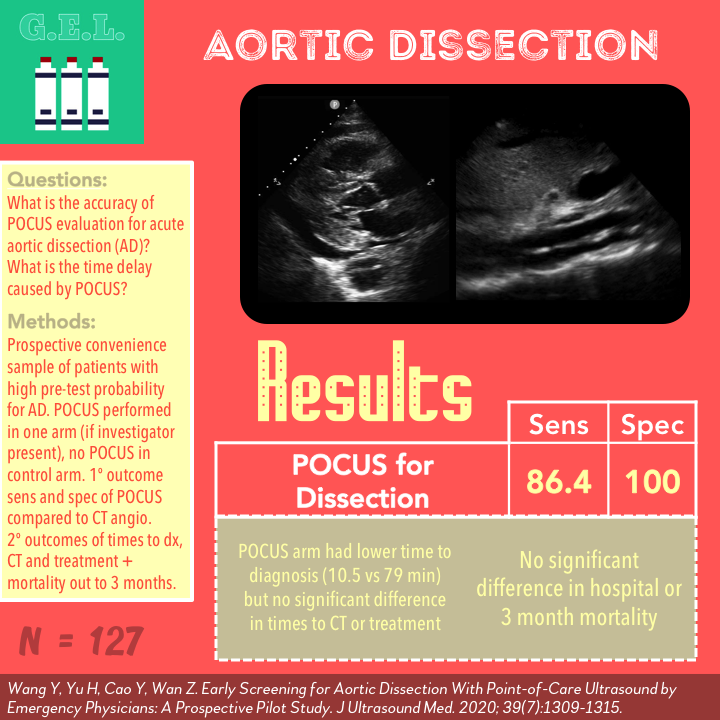
We are making some headway in the evidence behind using point-of-care ultrasound in aortic emergencies.
Ultrasound G.E.L. – Return of the Aortic Dissection Read More »
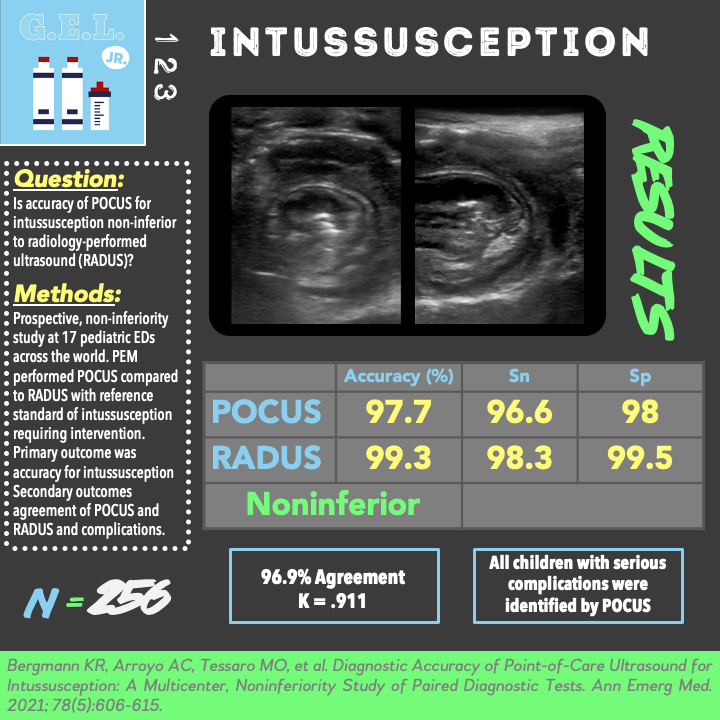
Intussusception is a big deal and an area where POCUS can potentially make a difference. The literature has been promising, but there hasn’t been any definitive studies…until now?
Ultrasound G.E.L. – Intussusception Read More »

Welcome back to emDOCs cast. This is the first podcast in a series looking at acute heart failure. Today we look at the evaluation of acute heart failure in the ED and several misconceptions.
emDOCs Podcast – Episode 49: Acute Heart Failure Evaluation Misconceptions Read More »
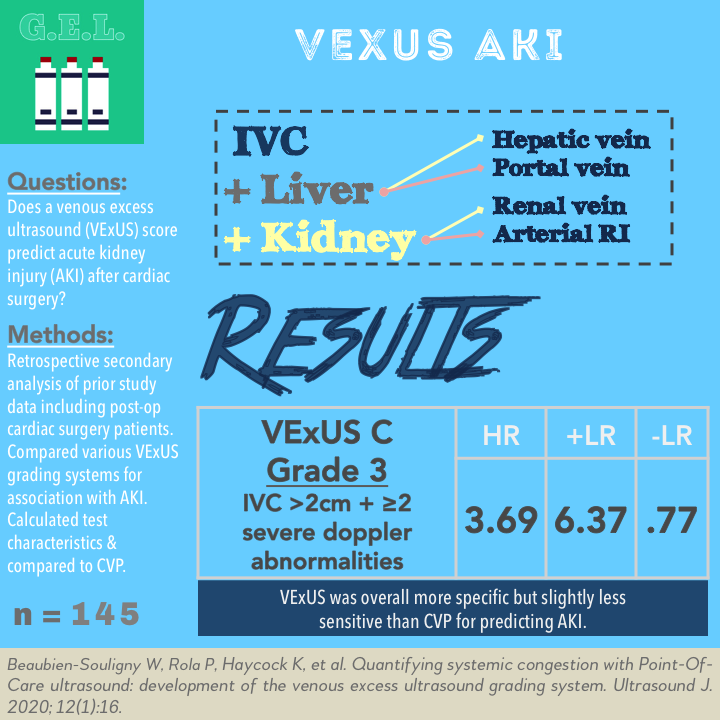
You may have heard whispers of a magical new way to determine if your patient has too much fluid on board. The VExuS (Venous Excess UltraSound) grading system has been described as a way to use the IVC in combination with abdominal organ doppler in order to determine the degree of venous congestion. This is the first study that takes a look at the VExUS system to see if it can predict acute kidney injury in post-operative patients.
Ultrasound G.E.L. – The Venous Excess Ultrasound Grading System & Acute Kidney Injury Read More »
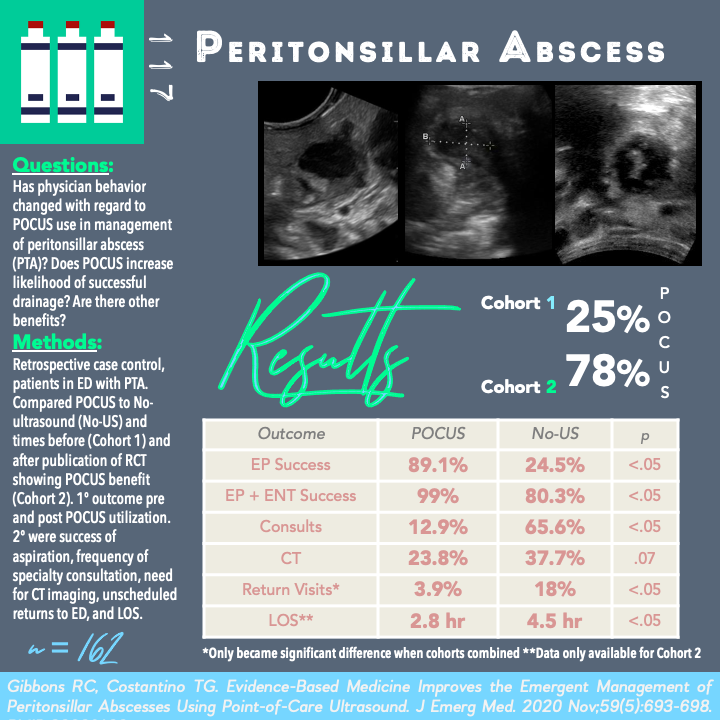
Do you use ultrasound for suspected peritonsillar abscess (PTA)? Some of us probably do, some don’t – but what does the evidence say?? Does it help the clinician? and (dare we ask) does it help the patient? This paper is potentially the best data we currently have on the topic. Mike and special guest Kim Fender dive straight into the purulence of this fluctuant topic.
Ultrasound G.E.L. – POCUS for Peritonsillar Abscess Read More »
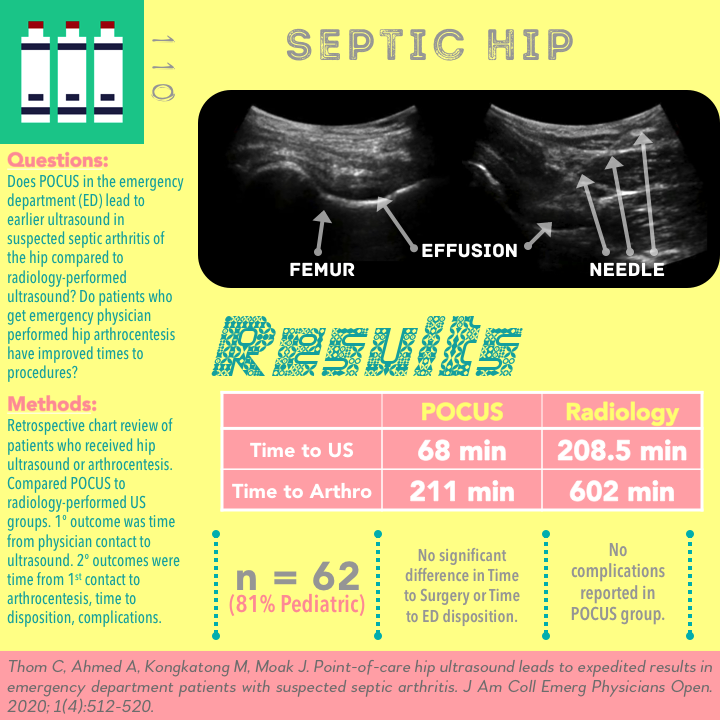
Does POCUS Expedite Care?
Ultrasound G.E.L. – Septic Arthritis of the Hip Read More »