
Management of Epiglottitis in the Community Setting
How do you manage the patient in extremis with suspected epiglottitis in the community setting?
Management of Epiglottitis in the Community Setting Read More »

How do you manage the patient in extremis with suspected epiglottitis in the community setting?
Management of Epiglottitis in the Community Setting Read More »

Once the patient is intubated, your work isn’t finished. In fact, it may be just beginning… This post evaluates patients at high risk for decompensation post intubation.
High Risk Post Intubation Patients Read More »
“Can’t Intubate Can’t Ventilate” is one of the frightening statements that causes massive surges of adrenaline in everyone. Unfortunately, most neural synapses don’t function well with that large surge of adrenaline, and it is, therefore, imperative to contemplate how to manage this scenario before it arises.
Can’t Intubate Can’t Ventilate Read More »

The patient with GSW can present in a variety of states ranging from hemodynamic stability to loss of pulses. Several literature updates have evaluated specific components of the care of these patients including airway, breathing, hemorrhage control, thoracotomy, and REBOA. This post evaluates the updated literature and provides pearls and pitfalls in the care of these potentially sick patients.
Pearls for the management of GSW associated traumatic injury Read More »
ApOx is a concept that has been around for some time in the operating room literature, but only recently been gaining acceptance in the ED, especially after the publication of this concept by Scott and Richard Levitan in the Annals of Emergency Medicine in 2011 [1]. Many nay sayers will argue that the OR studies were in controlled settings with elective surgical patients who were not in critical condition. The believers would argue that ApOx makes sense, its low cost, and low complexity. To date there has been no randomized controlled trials (RCTs) on ApOx in the ED. There has been one ICU Trial (i.e. The FELLOW Trial) [2] and an even more recent observational trial in the ED [3] that have been published on the topic of ApOx. So the question remains: Is Apneic Oxygenation Overhyped?
R.E.B.E.L. EM – Is Apneic Oxygenation Overhyped? with Scott Weingart Read More »
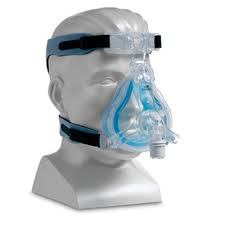
Bi-level ventilation is commonly used in patients with respiratory failure in the emergency department. This is a brief review of the indications for bi-level ventilation as well as a review of the complications of this popular ventilation/oxygenation method.
Bi-level Ventilation: Who Needs it and Who Doesn’t? Pearls and Pitfalls Read More »
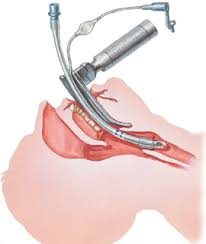
Intubation, especially in the septic and critically ill patient, can, by itself, cause hemodynamic abnormalities and/or hypoxemia and hypercapnea. In some situations, it may be important to make sure that the patient is adequately prepared for intubation, both from hemodynamic and pre-oxygenation standpoints. This is a brief review of some suggestions when intubating the very ill patient in the emergency department.
Unstable Sepsis: Airway First? Not Always Read More »

Traumatized children need your full attention.
Protocols work well for adults, but trauma in children requires that we exercise our clinical muscles just a bit more.
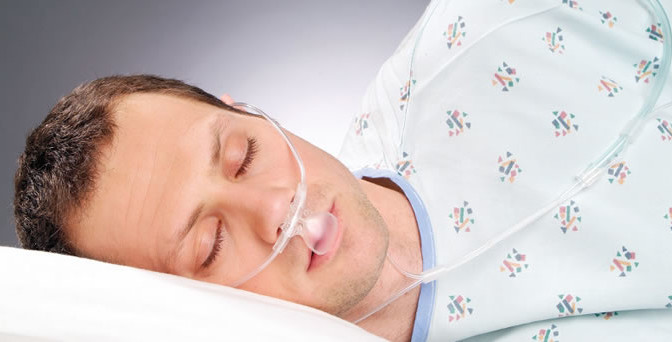
How do you interpret quantitative capnography waveforms? We own the resuscitation of critically ill patients, and with boarding increasing in EDs, we need to know how to interpret waveforms. This instrument can provide a great deal of important information if properly understood.
Interpreting Waveform Capnography: Pearls and Pitfalls Read More »
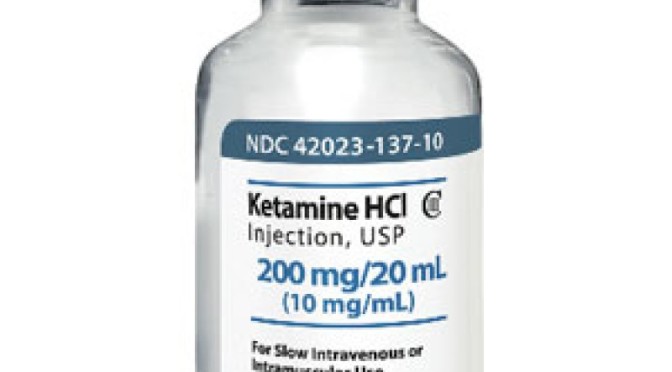
Emergency physicians frequently use procedural sedation and analgesia (PSA) to ensure a more comfortable procedure for both the patient and the physician. However, errors are also frequent. This article addresses the most frequent PSA errors them and provides solutions to improve patient care.
10 Procedural Sedation Errors in the Emergency Department Read More »