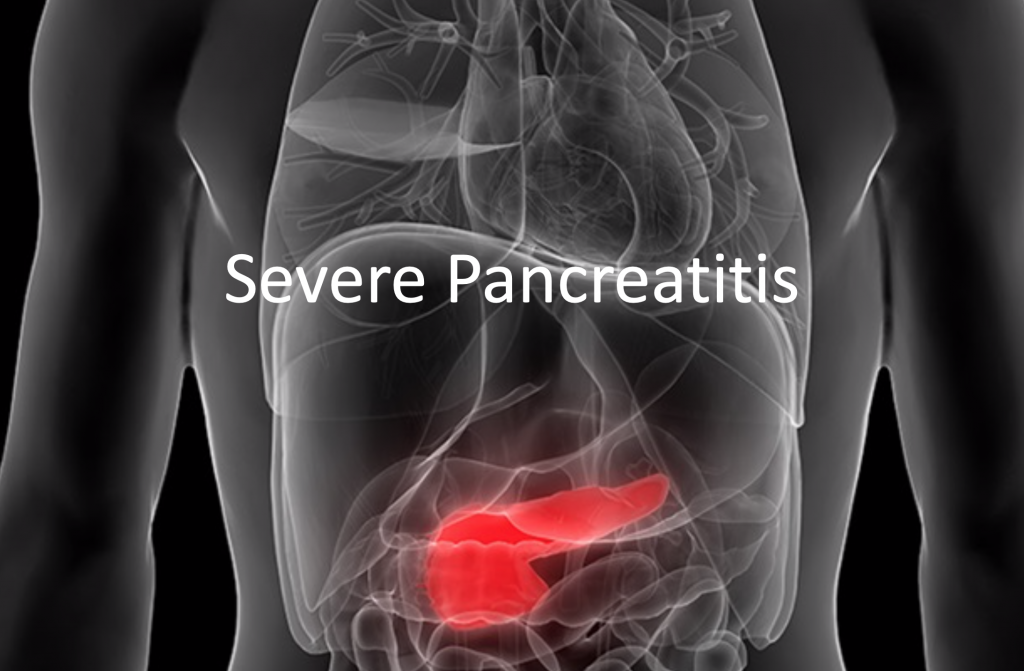
Severe Pancreatitis in the ED: Presentation, Evaluation, and Management
What should you consider for the patient with severe pancreatitis?
Severe Pancreatitis in the ED: Presentation, Evaluation, and Management Read More »

What should you consider for the patient with severe pancreatitis?
Severe Pancreatitis in the ED: Presentation, Evaluation, and Management Read More »
Journal Feed covers balanced fluids versus normal saline this week.
Journal Feed Weekly Wrap-Up Read More »
An 8-year-old male presents after falling onto an outstretched hand. He has an obvious dinner fork deformity to the right forearm. X-ray confirms a fracture of the distal radius and ulna. You prepare for procedural sedation with ketamine while you reduce and splint the fracture. You run through the pre-sedation assessment and exam, then gather all medications and airway supplies. Once the ketamine is pushed you hear a high-pitched stridor and see the patient’s chest rise and fall irregularly as his oxygen saturation drops. What is the diagnosis and management?
EM@3AM: Laryngospasm Read More »

What should you consider in cardioversion in the patient with atrial fibrillation? Who’s at risk for decompensation?
Electrical cardioversion in the ED: who crashes and how to improve Read More »

The emDOCs Podcast covers severe asthma and asthma mimics.
emDOCs Podcast – Episode 36: Severe Asthma and Mimics Read More »

The debate continues… When should you consider LR versus NS?
Lactated Ringers versus Normal Saline: Myths and Pearls in the ED Read More »
This week’s podcast with Tim Montrief and Brit Long covers a complication of assisted reproductive technology: ovarian hyperstimulation syndrome.
emDOCs Podcast – Episode 31: Ovarian Hyperstimulation Syndrome Read More »
A 66-year-old male presents via EMS in respiratory distress. For the past several days he has had worsening productive cough, chest pain, dyspnea, and fever. He appears fatigued, is sitting up in bed, and has increased work of breathing. On exam there is no JVD, 1+ edema, and crackles bilaterally. Vital signs include T 102.1 F, HR 110, RR 28, BP 94/62. Chest Xray shows bilateral infiltrates. What is the likely diagnosis?
EM@3AM: Acute Respiratory Distress Syndrome Read More »

How can you optimize the care of the patient with upper GI bleeding? What should you consider?
Upper Gastrointestinal Bleeding: Evaluation, Management, and Disposition Read More »

The EM Educator series looks at the critically ill oncologic patient.
The EM Educator Series: The Sick Oncology Patient Read More »