
The EM Educator Series: Why is my neonate so sick?
This week’s EM Educator brings you a case of a sick neonate and necrotizing enterocolitis.
The EM Educator Series: Why is my neonate so sick? Read More »

This week’s EM Educator brings you a case of a sick neonate and necrotizing enterocolitis.
The EM Educator Series: Why is my neonate so sick? Read More »

Abdominal compartment syndrome can be a tough condition to diagnose and manage. What do you need to know?
Abdominal Compartment Syndrome: Pearls & Pitfalls Read More »

How can you optimize your evaluation and management of patients with Clostridium difficile colitis?
Clostridium difficile in the Emergency Department: Evaluation and Management Read More »

This post discusses pearls and pitfalls in the evaluation and management of hepatic abscess.
Hepatic Abscess: Pearls for Emergency Medicine Clinicians Read More »
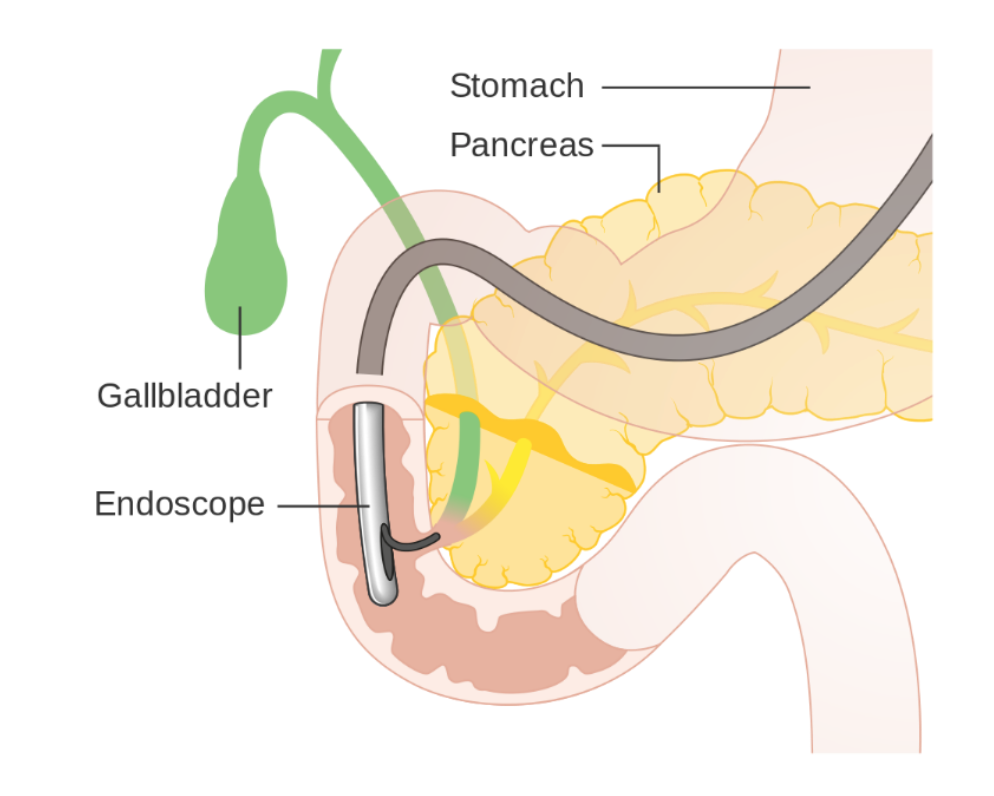
What kind of complications can occur after an ERCP? This post from Tim Montrief provides you with what you should consider.
Complications of ERCP: ED presentations, evaluation, and management Read More »
32-year-old male presents to the ED with vomiting and abdominal cramping. He has Crohn’s disease and has been poorly compliant with his medications. His current episode began as right lower abdominal pain 1 week ago with several episodes of watery diarrhea daily. He developed diffuse cramping, nausea and vomiting 2 days ago and has been unable to tolerate oral intake. He has not passed stool or flatus in 2 days. His abdomen is distended with hyperactive, high-pitched bowel sounds, increased tympany to percussion, and diffuse mild tenderness to palpation without rebound or guarding. What is the most likely diagnosis?
EM@3AM: Inflammatory Bowel Disease Read More »

Using the shock index, CTA, DOAC reversal… The British Society of Gastroenterology recently released their guidelines on LGIB bleeding evaluation and management. This post will provide you with the key takeaways.
Lower GI Bleeding Guidelines Update Read More »
A 53-year-old male presents with nausea/vomiting and complains of turning “yellow”. He denies abdominal pain, fever, alcohol use, or acetaminophen intake. His vital signs are normal, and exam reveals icteric sclerae, jaundice of his face and chest, and hepatomegaly. He has no tenderness to abdominal palpation. What’s going on, and what’s your next step in evaluation and treatment?
EM@3AM: Jaundice in Adults Read More »

Hepatic encephalopathy is associated with a variety of etiologies. This post explores the mechanism of hepatic encephalopathy, as well as missed precipitants of HE in cirrhosis and treatment pearls for the ED.
Hepatic Encephalopathy: Common Precipitants, Sneaky Precipitants, and Clinical Pearls Read More »

How do you perform a diagnostic and/or therapeutic paracentesis? When is it needed? Anthony DeVivo brings you pearls and pitfalls in his next post in the series, Unlocking Common ED Procedures.
Unlocking Common ED Procedures – Pocket Full of Sunshine: Paracentesis in the ED Read More »