FOAMed

Blood cultures: when do they make a meaningful impact on clinical care?

Bacteremia affects 200,000 patients per year, with the potential of causing significant mortality. Blood cultures are considered the most sensitive method for detecting bacteremia and are commonly obtained in patients with fever, chills, leukocytosis, focal infections, sepsis, or suspected endocarditis. However, what is the literature behind obtaining cultures in the ED?

Blood cultures: when do they make a meaningful impact on clinical care? Read More »

Acute Visual Loss in the Emergency Department: Pearls and Pitfalls

Acute vision loss has a wide differential, and some of these conditions can cause permanent visual deficit. Many of these are time-sensitive, and the emergency physician may improve patient outcome through the consideration of several acute conditions. This post seeks to provide an overview of the evaluation of vision loss in the ED and a summary of several common conditions.

Acute Visual Loss in the Emergency Department: Pearls and Pitfalls Read More »

Emergency Department Flow: What works, what does not work, and how can we improve?

Emergency department (ED) overcrowding is an issue that not only impacts the ED but impacts nearly all aspects of a hospital system. The ED is the location in the hospital that feels the greatest stress from capacity issues hospital-wide. Emergency providers are uniquely positioned to have a great impact in flow improvement initiatives and this article reviews some of the problems with overcrowding and how to improve patient flow through the ED.

Emergency Department Flow: What works, what does not work, and how can we improve? Read More »

Updates on TIA

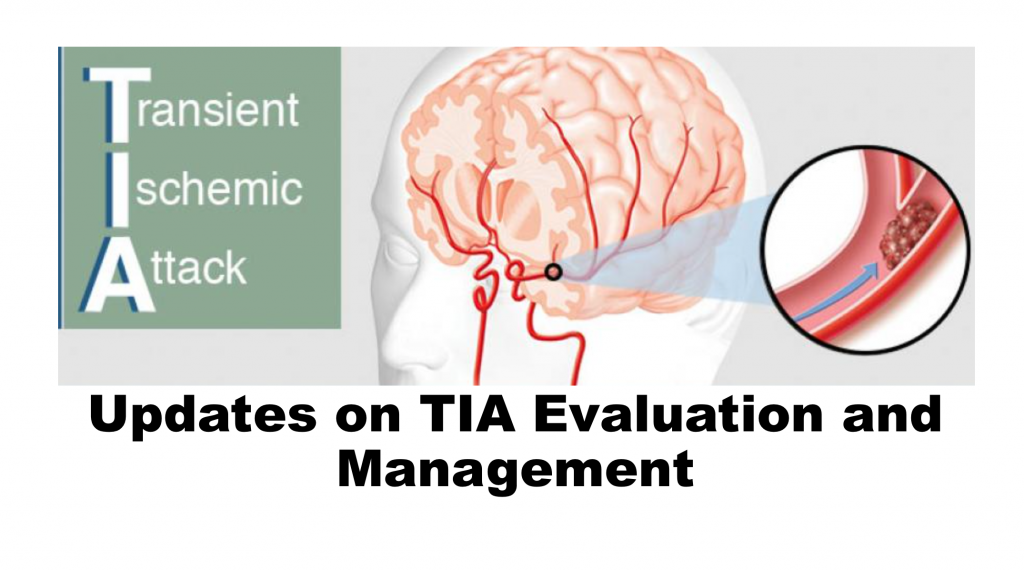
The transient ischemic attack (TIA) places patients at high risk for future stroke. This article reviews the current literature on the diagnosis, management and disposition of patients with TIA. The use of observation and TIA clinics is also discussed.

Updates on TIA Read More »

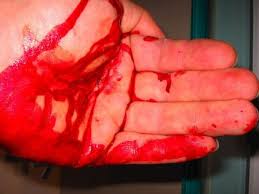
Bleeding Hand Wounds

Hand and digital wound bleeding should be managed with hemorrhage control, an adequate exam and proper treatment. There are many tools to help manage bleeding and allow for an adequate exam. Using a topical analgesic such as lidocaine, can be helpful with pain control. The addition of epinephrine to a topical analgesic in hand and digital wounds may not be as scary as once thought and may be considered to help with hemorrhage control in certain wounds.

Bleeding Hand Wounds Read More »

komplet løsning til hjemmeservice. Knotless braids pricing near me archives elegant braids shop. Small front porch decor ideas.